
Solana NFT Minting Explained Efficiently for Beginners and Experts

Solana NFT minting lets you create unique digital assets on a blockchain known for its speed and low fees. It’s a pretty efficient way to turn art, music, or other digital stuff into NFTs without spending much or waiting around.
To mint an NFT on Solana, you’ll need a compatible wallet, your digital file, and a minting platform or marketplace. Tools like Phantom, Metaplex, and SolSea make it surprisingly easy—even if you’re just starting out.
With Solana’s NFT scene growing fast, it’s never been simpler to dive in and own a piece of digital art.
What Is Solana NFT Minting?
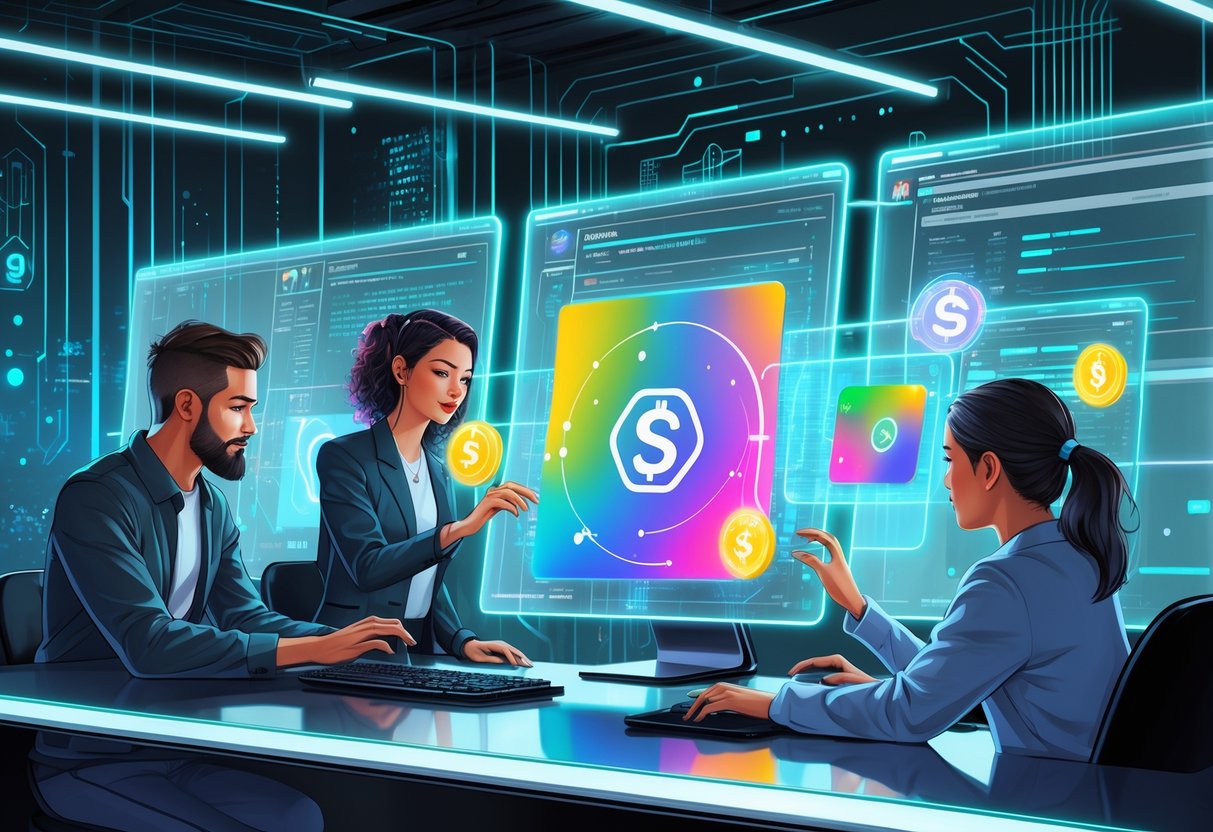
Solana NFT minting is how you turn digital artwork or assets into unique tokens on the Solana blockchain. It’s about making a digital certificate that proves you own something and that it’s authentic.
This all happens on Solana’s speedy, cheap network, so artists and collectors can actually afford to participate.
Overview of Solana NFTs
Solana NFTs are digital tokens that show you own something unique—art, music, collectibles—on the Solana blockchain. Unlike coins, each NFT is different and can’t just be swapped for another.
They live on Solana’s blockchain, which means fast transactions and low fees. Artists can mint lots of NFTs without breaking the bank.
The NFT market on Solana has exploded, with millions of pieces minted recently. It’s honestly a top pick for creators these days.
How NFT Minting Works on Solana
Minting an NFT on Solana starts with prepping your digital file—maybe an image or a video. Next, you connect a wallet like Phantom or Solflare, which holds both your NFT and the SOL you’ll need for fees.
Then, upload your asset to a marketplace like Solsea or Magic Eden. Fill in the name, description, and how much you want in royalties.
Once you confirm, the NFT gets written onto the blockchain. That’s your proof of ownership, and you can sell, trade, or just keep it.
Benefits of Minting on Solana
There are some real perks to minting NFTs on Solana. The big ones: low transaction fees and fast speeds.
You can mint a bunch of NFTs without waiting ages or paying a fortune. Solana’s also built to handle tons of transactions at once, so things don’t slow down when it gets busy.
Plus, smart contracts on Solana let you set up royalties, so you get paid every time your NFT is resold. That’s a nice touch for creators.
Setting Up for Solana NFT Minting
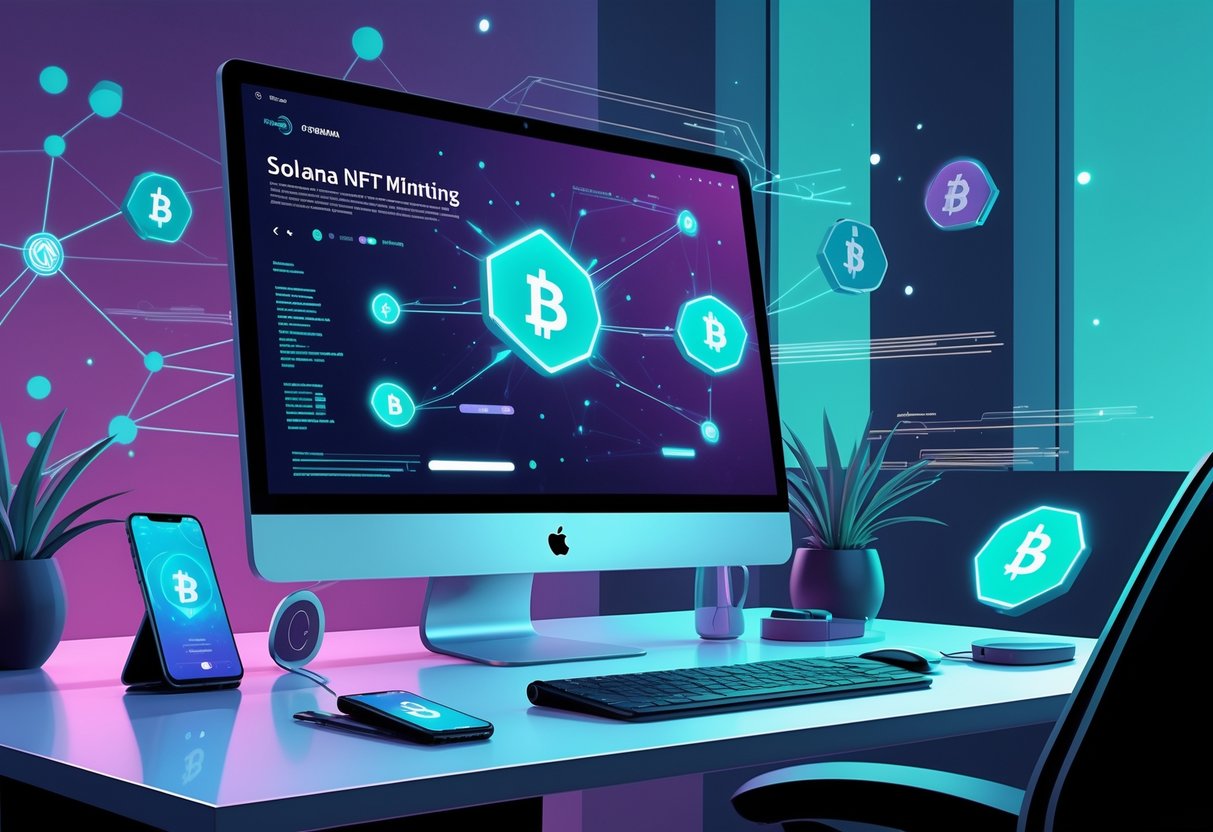
Before you can mint NFTs on Solana, you’ll need to get a few things together. That means setting up a Solana wallet, picking a marketplace, and grabbing some SOL tokens to cover fees.
Each step matters if you want everything to go smoothly.
Creating a Solana Wallet
You can’t really do much without a Solana wallet. It’s where your NFTs and tokens live, and it’s how you connect to the blockchain.
Phantom and Solflare are both solid choices—simple to use and pretty secure.
To set one up, download the app or browser extension. You’ll get a key phrase; stash it somewhere safe and offline, because if you lose it, you lose access for good.
Once you’re set up, connect to the Solana network and tweak your preferences. Your wallet will handle minting, payments, and managing your stuff.
Choosing the Right NFT Marketplace
Picking the right NFT marketplace makes a difference in how easy the minting and selling process is. Magic Eden, Solsea, and (yep, again) Magic Eden are some popular picks.
What to look for:
- Easy-to-use interface
- Options for setting royalties
- Reasonable fees
- Big audience and active community
If you’re new, Magic Eden is super user-friendly and has a big community. Solsea’s nice if you want extras like unlockable content or detailed royalty settings.
It really depends on what you want out of the experience.
Securing SOL Tokens
You’ll need SOL tokens to pay minting and transaction fees. You can buy SOL on exchanges like Coinbase or Binance, or even through some wallets directly.
After buying, transfer your SOL to your Solana wallet. Make sure you have a little more than you think you’ll need, just in case fees change or you run into extra charges.
| Task | Purpose | Examples |
|---|---|---|
| Wallet Creation | Store NFTs and sign transactions | Phantom, Solflare |
| Marketplace Choice | Mint and sell NFTs | Magic Eden, Solsea |
| Buy SOL Tokens | Pay transaction and minting fees | Coinbase, Binance |
Step-by-Step Guide to Minting NFTs on Solana
Minting NFTs on Solana is pretty straightforward—organize your files, pick your platform, and follow the steps. The whole process is quick and won’t cost much, thanks to Solana’s low fees.
Preparing Your Digital Assets
Start by getting your digital assets ready. Have your art, music, or whatever files you’re using in formats like JPEG, PNG, or MP4. Double-check the platform’s size and quality limits so you don’t hit any snags.
Then, prep your metadata: title, description, and any traits or properties you want to include. Metadata makes your NFT stand out. Some platforms want this info in a JSON file, so be ready for that.
Don’t forget to set up your Solana wallet if you haven’t already. Phantom or Solflare work well. Keep your seed phrase safe—it’s your lifeline to your assets.
Minting Through Marketplaces
Most people mint NFTs using marketplaces like SolSea or Magic Eden. They make the process visual and combine wallet setup, uploads, and minting all in one place.
Connect your wallet, upload your files and metadata, and fill in any royalty or attribute fields. Minting usually costs just a bit of SOL—way less than on other blockchains.
Once minted, you can list your NFT for sale right away. Marketplaces also let you manage collections and keep tabs on sales. If you’re not into coding, this route is the way to go.
Using Command Line Tools
If you’re more technical, command line tools like Metaplex’s Candy Machine are an option. They’re great for launching large NFT projects with lots of tokens minted automatically.
First, upload your assets and metadata to decentralized storage. Then, set up Candy Machine with how many NFTs you want and the price per mint.
Use terminal commands to deploy the collection to Solana’s blockchain. This method takes some programming know-how, but it gives you more control and flexibility.
It’s popular with developers and artists launching big or phased projects. Batch minting is a breeze once you get the hang of it.
Smart Contracts for Solana NFT Minting
Smart contracts are a big part of Solana NFT minting. They automate the process, make sure each NFT is unique, and handle things like sales or royalties.
Most people use a popular tool for this, but there’s room to go custom if you want more control.
Using Metaplex Candy Machine
Metaplex Candy Machine is the go-to smart contract framework for minting NFTs on Solana. It helps creators launch collections of unique NFTs quickly and easily.
This contract controls minting rules, like how many NFTs can be made and when sales start. You upload your files and metadata to decentralized storage (think IPFS), and Candy Machine links them to your NFTs.
It also supports batch minting, so you save on fees and time. Plus, it works well with wallets and marketplaces, and you don’t need to be a programming wizard to use it.
Custom NFT Minting Programs
Some creators want more flexibility, so they build custom NFT minting programs on Solana. These smart contracts can do things like dynamic pricing or special royalty structures.
To go this route, you’ll need to know Rust (Solana’s programming language) and understand blockchain basics. You’ll design the contract to handle minting, ownership checks, and sales just how you want.
Custom contracts interact directly with Solana’s runtime, making sure each NFT follows your rules. It’s more work, but you get features you might not find anywhere else.
If you want something truly unique or advanced, this path could be worth the extra effort.
Costs and Fees in Solana NFT Minting
Solana’s NFT minting fees are low, though they can shift a bit if the network’s busy. Compared to other blockchains, it’s much cheaper, which is a big reason so many creators choose Solana.
Transaction Fees
Transaction fees on Solana are tiny—usually less than a penny. They might go up a bit if the network gets crowded, or if your NFT files are big, but it’s rarely much.
You’ll pay a small fee in SOL for minting, and maybe a little extra if the marketplace charges something. For most, it’s just a few cents per NFT, so you can mint a bunch without worrying about cost.
Cost Comparison With Other Blockchains
Solana is a lot cheaper than Ethereum when it comes to minting NFTs. Ethereum’s gas fees can skyrocket to tens or even hundreds of dollars if the network is busy.
Solana’s fees, on the other hand, usually stay just a few cents. Lately, though, minting fees have sometimes crept up to around $2.16, thanks to some recent network changes.
Cardano also keeps fees low, but Solana’s speed and scalability really set it apart. Polygon has options like gasless or lazy minting, but Solana’s mix of low cost and quick processing makes it a favorite for creators who want fast, affordable NFT transactions.
| Blockchain | Typical Minting Fee | Notes |
|---|---|---|
| Solana | $0.01 – $2.16 | Low fees, fast transactions |
| Ethereum | $10 – $100+ | High and variable gas fees |
| Cardano | Lower than Ethereum, variable | Cheaper but slower than Solana |
| Polygon | Free to low | Gasless minting options available |
Best Practices for NFT Minting on Solana
Minting NFTs on Solana means paying attention to ownership and making sure all info about the digital asset is clear. Getting the artwork and metadata sorted ahead of time helps dodge headaches down the road.
Following the right steps is pretty much non-negotiable if you want smooth transactions and a shot at success in the market.
Ensuring Authenticity and Ownership
Proving you actually own your digital content before minting is key. You can link the NFT to verified social profiles, or use digital signatures to show it’s really yours.
Wallets like Phantom or Solflare help with security and make it easier to keep track of ownership on the blockchain.
Each NFT should have a unique identifier—no one wants duplicates floating around. Solana keeps a permanent record of this, so ownership is always clear.
It’s smart to keep backups of your original files and transaction details, just in case.
Don’t mint copied or unlicensed stuff. Tools on platforms like SolSea can help you prove originality.
If you store NFT data on decentralized networks, you’re less likely to lose access if a marketplace disappears overnight.
Optimizing Metadata and Media
Good metadata matters. Titles, descriptions, and tags should tell buyers exactly what your NFT is about.
Clear, accurate info makes your NFT easier to find and more appealing to buyers.
Media files need to look sharp but load fast. Stick with formats like PNG, JPG, GIF, or MP4, and don’t go overboard on file size.
Most people use decentralized storage like Arweave or IPFS for media files—no one wants their art to vanish. Linking metadata right into the NFT token helps buyers verify authenticity.
Keeping your formatting consistent and details thorough boosts buyer confidence and your reputation in the marketplace.
Promoting and Selling Your Solana NFTs
Once your NFTs are minted on Solana, it’s time to get them in front of buyers. Choosing the right marketplace and figuring out how to get noticed are both huge.
Listing NFTs on Solana Marketplaces
You’ll find most Solana NFTs on platforms like Magic Eden, Solsea, and Alpha.art. Each one has its own quirks—some let you set royalties, others focus on collection management.
Take a little extra time with your listings. Clear titles, detailed descriptions, and good images make a difference.
Pricing competitively, based on what similar NFTs are selling for, helps you stand out. And don’t forget royalties—those can pay off with future sales.
Make sure your NFT is connected to a Solana wallet like Phantom so transactions go smoothly. Keep an eye on offers and sales so you can respond fast.
Marketing Strategies
Marketing NFTs on Solana is all about building trust and getting people to notice you. Social media—think Twitter, Discord, Instagram—is where most of the action happens.
Teaming up with other artists or influencers in the Solana space can really expand your reach. Giveaways and exclusive drops? People love those.
Branding, regular posting, and sharing the story behind your NFT—why you made it, what makes it special—can help your listing pop. Paid ads or working with NFT blogs and forums can add another layer of exposure.
It’s worth tracking what’s working so you can double down on the best strategies.
Legal and Ethical Considerations
There’s a legal and ethical side to minting NFTs on Solana. You’ve got to understand intellectual property rights—using someone else’s work without permission is risky business.
Make sure your NFT is either original or you have the proper licenses. Nobody wants a lawsuit.
Ethics matter, too. Be transparent about who owns the NFT and what buyers are actually getting. No one likes being misled.
Solana’s proof-of-stake system is more energy-efficient than some other blockchains, but it’s still worth thinking about the environmental impact of your activities.
Key legal points include:
| Legal Aspect | Description |
|---|---|
| Intellectual Property | Must have rights or licenses for the content |
| Ownership and Licensing | Clarify what rights transfer with the NFT |
| Fraud and Misrepresentation | Avoid false claims about the NFT or creator |
Ethical concerns to keep in mind:
- Honesty about the creator’s identity
- Respecting community standards
- Considering the environmental cost
Future Trends in Solana NFT Minting
Solana NFT minting is changing fast. There are a few trends that seem to be setting the pace for what’s next.
One big shift is cross-chain interoperability. That basically means NFTs could travel between different blockchains with less hassle.
If that becomes the norm, it could open up the market and maybe even make things easier for everyone involved. More flexibility, more possibilities—what’s not to like?
There’s also the growing use of zero-knowledge proofs. This tech is all about boosting privacy and security during minting.
It can speed up transactions too, which works well with Solana’s already snappy network. Feels like a natural fit, honestly.
When it comes to the cost of minting, Solana keeps things cheap—sometimes less than a penny per NFT. That’s a huge draw for creators who want to mint a bunch without breaking the bank.
Now with compressed NFTs rolling out, those costs could drop even more. It’s wild to think about minting millions of tokens without sweating the fees.
And then there’s speed. Solana can handle over 65,000 transactions per second.
This kind of throughput means mass NFT drops and big projects don’t really bog down the network. It’s honestly impressive.
| Trend | Benefit |
|---|---|
| Cross-chain Interoperability | Expand NFT use across blockchains |
| Zero-knowledge Proofs | Improve privacy and speed |
| Low Minting Costs | Support high volume NFT creation |
| Compressed NFTs | Enable large-scale minting |
| High Transaction Speed | Allow fast, seamless minting |
This article is not financial, investment, legal, or tax advice. Crypto assets and prediction markets can involve substantial risk. Verify sources independently and make your own decisions.
Follow the work without joining another hype machine.
Get new dispatches, tool notes, and market research through the free MemeQuake Telegram community.