
Three stories today: Canada's draft stablecoin rules, a security dispute between an AI startup and Anthropic, and a prediction-market miss in Brazil. Each has a clear core and real open questions. I've stuck to what's confirmed.
1. Canada drafts stablecoin rules and bans yield
What happened
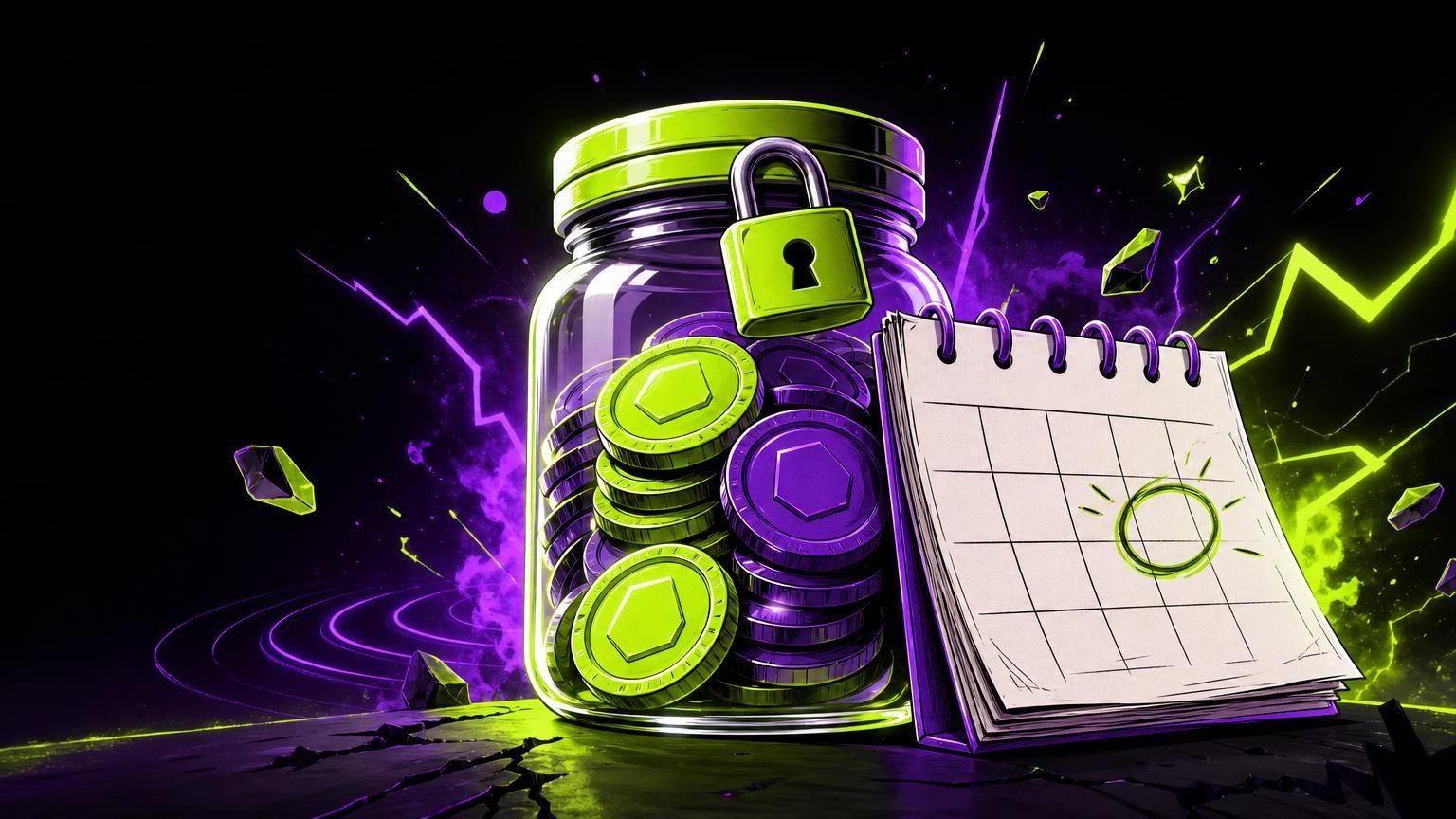
Canada has opened a 60-day public consultation on draft rules for stablecoin issuers that are not financial institutions. The government gave notice on Saturday, October 24, and will take comments until December 23, per Cointelegraph.
The draft bars these issuers from paying interest or yield. They would have to redeem within three business days and charge no more than 1% of the coins' value. CoinDesk reports that reserves must equal tokens in circulation and sit at qualified Canadian financial institutions. Transaction-based rewards would still be allowed.
Source: Cointelegraph
Real or hype
This is real policy, just early. It sits under the Stablecoin Act passed in March, and the stated aim is for the rules to take effect in fall 2027. The Department of Finance says the framework covers domestic and foreign issuers and is designed to be compatible with US and EU frameworks. The Bank of Canada would administer it and supervise issuers. My read: Canada is lining up with other major jurisdictions, not breaking new ground.
What could break it
These are drafts, and the final text could change once comments close on December 23. Some headlines tie this to the US GENIUS Act, but the government's own framing is compatibility, not copying. Still unknown: the exact Canada Gazette text, whether the 1% cap applies per redemption or as a total, how issuers and banks respond, and which foreign issuers would be affected in practice.
2. Startup says AI agents got into Anthropic's business systems
What happened
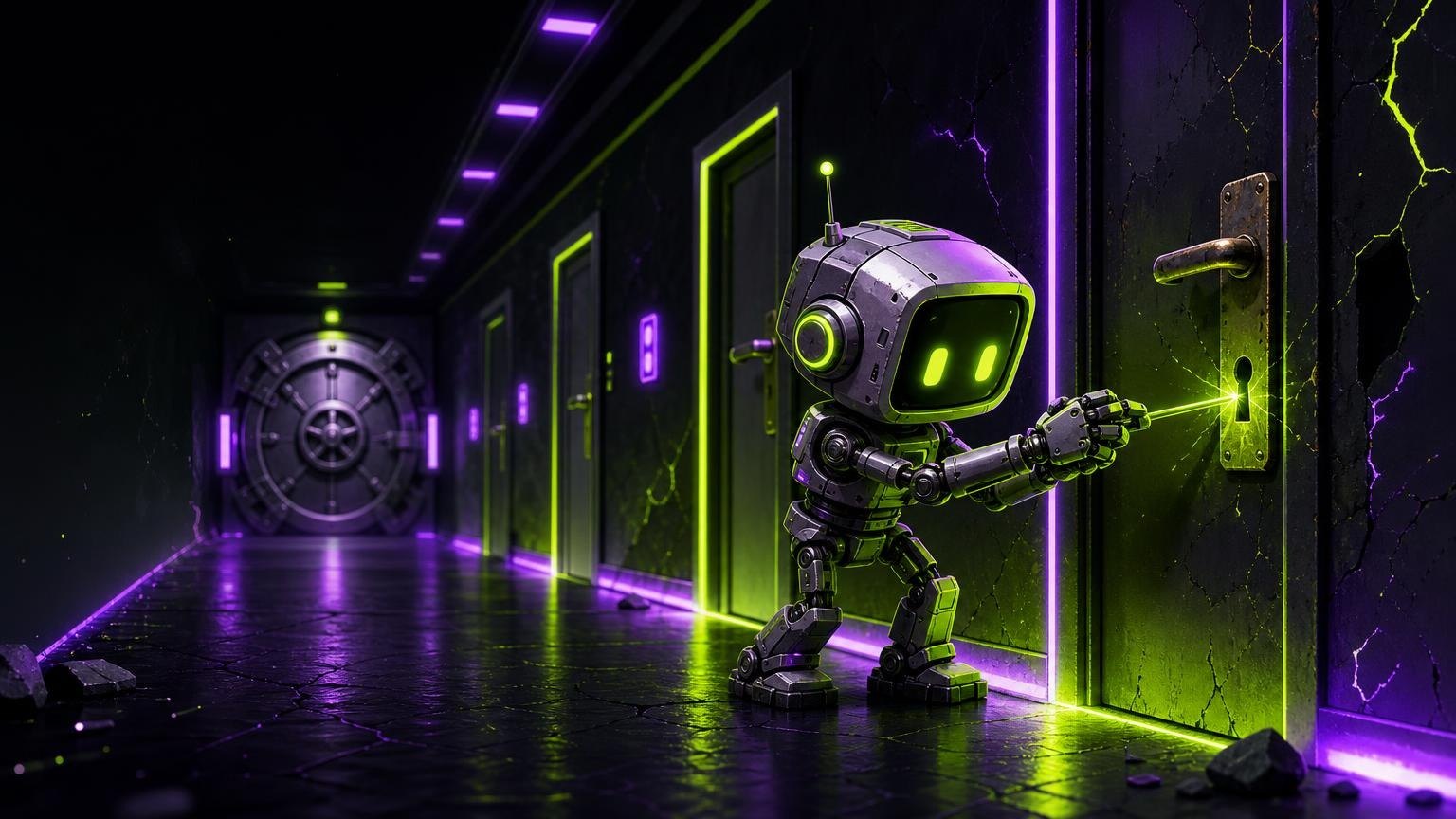
Cathedral says its AI agents found paths into Anthropic's internal systems in under 12 hours, per Decrypt. The way in was weaknesses in third-party administrative and sales software.
Anthropic confirms a narrower scope. It says access reached a limited set of sales, HR and IT systems, but not customer conversations, Claude responses, source code or model weights.
Source: Decrypt
Real or hype
The access looks real, since Anthropic acknowledges it. The dispute is over size. Third-party software is a common weak point for any company, and agents that probe it quickly are a fair concern. But a breach of business systems is not a breach of the models. My read: a useful warning about vendor risk, not proof that Anthropic's core systems were exposed.
What could break it
Cathedral's claims are one side's account, and Anthropic disputes how serious the exposure was. No CVEs, vendor names or independent technical checks have been published, and no technical write-up from either side is public. Still unknown: which vendors and flaws were involved, exactly what data was touched, whether any legal or federal follow-up comes, and Cathedral's own on-record position.
3. Prediction markets called Brazil wrong. Flaw or bad luck?
What happened
Polymarket priced Lula at about 20% before Sunday's October 25 election. He beat Flávio Bolsonaro and won a fourth term, per Decrypt. Kalshi was in the same range, and both had Bolsonaro as roughly an 80% favorite hours before the result, per Unchained.
Polymarket's Brazil market drew more than $249 million in volume, even though prediction markets are banned in Brazil. Experts told Decrypt the miss came from that ban and a wave of retail money diluting expertise. Trader FhantomBets said sharp money thought 30-40% was closer, with Lula "Yes" at 60c at 6:15 pm ET.
Source: Decrypt
Real or hype
A 20% outcome happens about one time in five, so one miss proves little. The ban point is worth taking seriously, though: a market is only as good as the people trading it. My read: this is a fair stress test of prediction markets, not a verdict on them.
What could break it
The strongest counter is simple. Nic Carter argued that an 80/20 market should miss about one time in five, so this may be an ordinary result. The whale claim is also one trader's view. Still unknown: verified pre-vote prices and timestamps from Polymarket and Kalshi, how many traders were in Brazil versus overseas, and whether regulators in Brazil or the US will respond.
Bottom line
Rules, vendors and odds all look solid until someone tests them. Canada's draft is open for comment, the Anthropic dispute is about scope, and Brazil is one result, not a trend.
Free checklist
The Rug-Pull Checklist
The 10 checks I run before buying any meme coin. Free, plus one no-hype lesson a week.