Memes aren’t just quick laughs anymore. They’re a legit way to earn money online now.
You can get paid for creating and sharing memes on platforms like YouTube, Instagram, and TikTok. Brand partnerships, freelance gigs, and even selling meme merch are all on the table.
The meme economy has exploded lately. If you know how to make content that goes viral, you can turn your sense of humor into real income.
Companies pay for memes to promote their products, and social media platforms reward creators who pull in big audiences.
You don’t need fancy gear or a degree to start. If you’ve got creativity and a feel for what makes people laugh, you can start making money from memes.
The trick is figuring out which platforms pay best, how to build your following, and which money-making methods fit your style.
Key Takeaways
- Meme creators can earn through social media, brand deals, and freelance work
- Building a big, engaged audience is crucial for making the most money
- It helps to understand platform algorithms, protect your content, and track what actually works
Understanding How to Get Paid for Memes Online
Meme creators pull in money from lots of places—sponsored content, freelance work, merch, and platform payouts. It’s important to get copyright basics and build an audience brands actually care about.
How Memes Generate Revenue
Some creators sell memes directly on freelance sites like Fiverr or Upwork. Individual memes can go for $5 to $50 each, depending on the client and quality.
Brands often pay for custom memes that connect with their target audience. It’s a surprisingly big market.
Social media monetization is another route. YouTube channels can make money from ads if they hit the platform’s requirements. Instagram and TikTok creators earn through sponsored posts and brand deals.
Common Revenue Methods:
- Sponsored content for brands
- Freelance meme gigs
- Merch with popular memes
- Platform ad revenue
- Licensing memes to media companies
Some creators get monthly retainers from brands. That means steady income for managing a company’s memes or social accounts. It’s a bit more predictable than one-off projects.
The Role of Viral Content in Monetization
Viral memes can skyrocket your audience overnight, which can mean bigger paydays. The more followers and engagement you have, the better your sponsorship deals get.
Creators who consistently go viral start to build a reputation. Brands notice, and that can lead to repeat work and higher rates.
When a meme spreads across platforms, it opens up multiple ways to cash in. The same meme can earn money in more than one place at once.
Key Metrics Brands Consider:
- Follower count
- Engagement rate
- Shares and saves
- Audience demographics
Legal Considerations for Meme Creators
Copyright can get tricky fast. Using copyrighted images, movie clips, or music without permission is risky. Sometimes fair use applies, but it’s a grey area.
Making original memes or using licensed stuff is the safest option. Stock photo sites and creative commons images can help keep you out of trouble.
If you’re working with brands, always get the contract in writing. Spell out usage rights, payment, and who owns what. It saves headaches later.
Watch out for trademarks, too. Using a company’s logo or brand name without permission can land you in hot water. Always double-check before you add branded stuff to paid content.
Top Platforms to Monetize Memes
Each platform has its own way of helping you make money from memes. Some have built-in monetization, others are all about licensing or direct deals. Your choice depends on your content, audience, and how you want to get paid.
Earning Through Social Media Networks
YouTube is probably the most reliable for meme creators. Once your channel hits 1,000 subscribers and 4,000 watch hours, you can join the YouTube Partner Program. Ad revenue starts to roll in after that.
Instagram and TikTok have their own systems. TikTok’s Creator Fund pays based on views and engagement. Instagram offers bonuses for Reels that hit certain view numbers, but it’s usually invite-only.
Facebook lets you earn from in-stream ads and Stars if your page has at least 10,000 followers. Twitter (or X, if you prefer) shares ad revenue with verified, high-engagement users.
Key Requirements by Platform:
- YouTube: 1,000 subscribers, 4,000 watch hours
- TikTok: 10,000 followers, 100,000 video views in 30 days
- Instagram: Mostly invite-only
- Facebook: 10,000 followers for monetization
Meme Marketplaces and Licensing Platforms
Some websites connect meme creators with brands that need fresh content. Brands pay for the rights to use your memes in their ads or social posts. These platforms handle the licensing and payment side for you.
Sites like Shutterstock and Getty Images accept meme-style images for commercial licensing. You upload your work, and when brands buy it, you get royalties. The payout depends on the license and image size.
Others license their memes directly to media companies or advertisers. News outlets and marketing agencies are always on the lookout for trending memes. Just make sure you own the content or have clear rights before you license anything.
Third-Party Meme Promotion Services
Platforms like Shoutcart let meme page owners sell promo posts. Brands pay to appear on accounts with big followings. How much you earn depends on your audience size and engagement.
If you’ve got 100,000 followers, you might charge $50 to $200 for a promo post. Pages with a million-plus can ask for $500 or more. Some do package deals, some just go post by post.
Patreon is another option for steady income. Set up membership tiers so fans pay monthly fees. Offer exclusive memes, early access, or custom requests. This works best if you’ve got die-hard fans who want more than just your public posts.
Creating Memes That People Want to Share
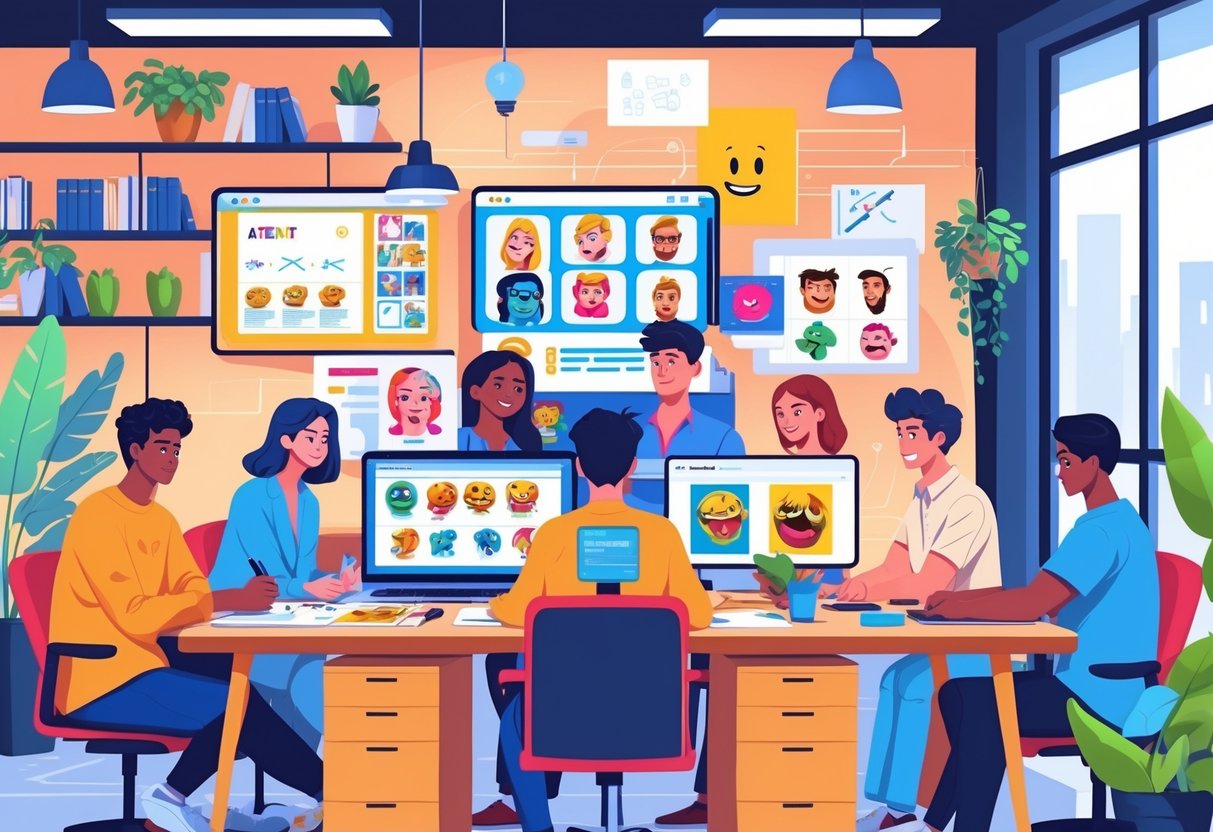
Great memes hit that sweet spot—timely topics, eye-catching visuals, and captions that make people want to smash the share button. When these elements click, your reach and engagement jump up fast.
Identifying Trending Topics
Staying up-to-date is crucial. Check Twitter trends, Reddit’s front page, and TikTok’s Discover page every day to spot what’s hot.
News events, celebrity drama, and viral videos are all goldmines for meme ideas. But you have to move quick—trends can vanish in hours.
Tools like Google Trends help track what’s gaining steam. Follow other meme accounts to see what works. Knowing your audience helps you pick topics they’ll actually care about.
Popular trend sources include:
- Twitter trending topics
- Reddit hot posts
- TikTok trending sounds
- Entertainment news
- Sports highlights
Designing Engaging Visuals
You’ve got a split second to grab someone’s attention. Use high-quality images and keep your text clear and readable—especially on mobile.
Bold fonts and sharp contrast help your meme pop. Simple layouts beat cluttered ones; people process them faster. The image should be familiar or at least relatable to your crowd.
Free tools like Canva, Imgflip, and Kapwing make meme creation easy. If you’re picky, Photoshop or GIMP lets you tweak every detail. Blurry or pixelated memes? People scroll right past.
Colors matter, too. Bright colors catch the eye, but sometimes a darker vibe fits better, depending on your joke.
Writing Captions That Boost Shares
Keep captions short and punchy. The joke or message should land in as few words as possible.
The best captions nail shared experiences—those awkward moments, little annoyances, or universal feelings. Humor feels more natural when it’s not forced.
Don’t be afraid to experiment. Some audiences love sarcasm, others want wholesome laughs. Your caption should match the image and vibe.
Effective caption techniques:
- Ask questions to get people commenting
- Put a twist on familiar phrases
- Reference stuff everyone knows
- Keep it under 15 words if you can
- Time the caption to fit the image
Building and Growing an Audience
Your audience is everything if you want to make money from memes. It takes optimized profiles, active community involvement, and smart use of hashtags and partnerships to reach more people.
Optimizing Social Media Profiles
Start with a clear, catchy username that fits your niche. Your profile pic should be recognizable and the same everywhere. The bio? Make it obvious what kind of memes you post, in a sentence or two.
Use keywords in your bio that your target audience might search. Add contact info or a link to your other money-making channels. Keep it professional but still fun—meme fans expect a casual vibe.
Platform features make a difference. Instagram highlights can organize your best memes. Facebook pages need a solid description and the right category. On TikTok, link your other socials to build your presence everywhere.
Key profile elements:
- Clear profile pic
- Niche-focused username
- Keyword-rich bio
- Contact or business info
- Cross-platform links
Engaging With Meme Communities
Jumping into meme communities is honestly how you get noticed and build your following. Commenting on other meme pages with real reactions—no spam, no self-promo—actually works.
Joining Facebook groups or niche subreddits helps you figure out what people actually like. It’s a good way to stay plugged into current trends, too.
Replying to comments on your own posts keeps your audience around. Quick DMs back and forth? That’s how you build real connections.
Sharing memes made by your followers or reposting their submissions gives everyone a sense of ownership. It’s a small thing, but people love seeing their stuff featured.
If you interact regularly, you’ll notice engagement goes up. Spending a few minutes every day engaging with your followers and other creators tells the algorithm you’re active—and that’s never a bad thing.
Leveraging Hashtags and Collaborations
Hashtags are like little beacons that push your memes beyond your current followers. Using three to five hashtags that fit your niche and the meme’s topic is usually enough.
Mixing broad, popular tags with specific ones helps you reach both big and targeted audiences. It’s not rocket science, but it makes a difference.
Teaming up with other meme pages opens your content to new people. Cross-promoting with similar-sized accounts or ones in a related niche feels natural and usually works out for both sides.
Shoutouts or making stuff together is best when it’s genuine—not forced. If a hashtag is trending and your meme actually fits, go for it. But using random trending tags just to get seen? That backfires and can even get you penalized.
Monetization Strategies for Meme Creators
You can make money from memes through brand deals, fan support, and selling products. Each has its own vibe and takes a different approach to really work.
Sponsored Content and Brand Deals
Brands pay meme creators to slip their products into posts. They’re after those engaged audiences who actually care what you post.
If you’ve got 60,000 followers, you might pull in $3,000 a month just from sponsored posts. Bigger accounts, of course, get more—depends on reach and engagement.
Key factors brands consider:
- Follower count and growth rate
- Engagement rates (likes, comments, shares)
- Audience demographics
- Content style and niche focus
Keeping your voice real matters when you’re promoting something. The best paid posts just feel like part of your usual feed. You can find deals through influencer platforms, reaching out yourself, or agencies that match meme pages with advertisers.
Don’t forget to label sponsored stuff clearly. Transparency keeps your audience’s trust and keeps you on the right side of platform rules.
Crowdfunding and Donation Options
Fans can support meme creators directly on Patreon, Ko-fi, or Buy Me a Coffee. These let people tip you once or set up monthly support.
Offering exclusive content—like early memes, behind-the-scenes, or custom requests—gives supporters a reason to stick around. Subscriptions mean a steadier monthly income, which is always nice.
Most platforms take a 5-12% cut. Pick the one that fits your audience and style best. Some meme accounts use YouTube memberships or Twitch subs for extra support.
Selling Custom Merchandise
Print-on-demand makes it easy to sell shirts, hoodies, stickers, and more without dealing with piles of inventory. Sites like Redbubble, Teespring, and Printful handle everything for you.
Upload your best meme designs, and when someone buys, the platform prints and ships it. You just collect your cut.
Popular merchandise items for meme creators:
- T-shirts and hoodies
- Stickers and decals
- Phone cases
- Mugs and drinkware
- Posters and prints
Merch only works if people actually want to wear or show off your designs. Try out a few different products and see what sticks. Plugging your merch in posts or your profile is enough—no need for hard sells.
Protecting Your Memes and Intellectual Property
If you’re making money from memes, you’ll want to know about copyright ownership and how to handle using other people’s stuff. Original memes are automatically yours, but most memes use images or videos from somewhere else.
Copyright and Ownership Issues
Create a meme from scratch? That’s your copyright, no question—drawings, photos, whatever. The copyright is yours the second you finish it.
But most memes start with existing images, movie stills, or stock photos. The original image’s copyright still belongs to whoever made it. You might own your edits or added text, but not the base image.
Key ownership scenarios include:
- Fully original content: Creator owns complete copyright
- Modified existing images: Original owner retains base image rights
- Text additions only: Creator owns text, not the image
- Screenshots from media: Production company or studio owns rights
Fair use sometimes covers meme creation, especially if it’s commentary or parody. But it’s not a guarantee, and selling memes makes things riskier.
Best Practices for Crediting and Permission
If you plan to make money off memes, get permission from the original copyright holders. That usually means reaching out for a license or written okay. Some stock sites sell commercial licenses just for this.
Giving credit is basic courtesy, but it’s not the same as legal permission. Mention the creator’s name and where you found the original. A lot of communities expect this, even if it’s not legally required.
Protection steps for meme creators:
- Keep records of all original work and creation dates
- Use watermarks on original memes to establish ownership
- Document permissions received for any third-party content
- Consider registering original works with copyright offices for stronger legal protection
Try to avoid using trademarked characters or logos in memes you’re selling. Trademark issues are a whole other headache and can get your stuff taken down fast.
Tracking Earnings and Audience Analytics
If you want to make real money with memes, you’ve got to track your income and see what your audience actually likes. It’s not the most fun part, but it pays off.
Monitoring Monetization Success
Track what you earn from each source—sponsored posts, affiliate links, merch, whatever—so you know what’s actually working. A simple spreadsheet is usually enough.
Most platforms have some kind of earnings dashboard. TikTok’s Creator Fund shows you what you’re making per video. Instagram’s trickier, so you’ll have to track brand deals and affiliate sales by hand.
Set income goals for yourself. Maybe start with $500 a month, then aim higher as your audience grows.
Key metrics to monitor:
- Revenue per post or meme
- Earnings by platform
- Return on investment for promoted content
- Average sponsorship rates
- Affiliate conversion percentages
Checking your numbers weekly helps you see what sponsors like and what your audience actually buys. Adjust your strategy based on what pays—not just what gets likes.
Analyzing Engagement Metrics
Engagement tells you way more than just views. Comments, shares, and saves are what really matter if you want to get paid.
There are plenty of free analytics tools. SocialBlade tracks follower growth. TikTok analytics show view time and where your traffic comes from. Instagram Insights tells you when your followers are online and where they’re from.
Critical engagement metrics:
- Engagement rate (interactions divided by followers)
- Save rate (indicates valuable content)
- Share count (shows viral potential)
- Average watch time on videos
- Click-through rates on links
Sponsors care more about engagement than just follower count. A page with 10,000 followers and 8% engagement can out-earn one with 50,000 and only 2% engagement.
Look at which meme styles get the most interaction. That’s the stuff you want to double down on—and it helps you negotiate better deals, too.
Scaling Your Meme Business Over Time
Growing a meme business means bringing in help and spreading your content across more platforms. It’s the only way to keep up and make more money without burning out.
Hiring Assistance for Content Production
If you’re posting daily on multiple accounts, you’ll eventually hit your limit. That’s when hiring help makes sense.
Freelance meme creators are easy to find on Fiverr or Upwork. Rates vary, but $5 to $20 per meme is common. Need video? Editors charge $15 to $50 per clip.
Virtual assistants can handle scheduling, comments, and analytics for $10 to $25 an hour. That frees you up to focus on the creative stuff.
Most people start with one part-time helper. Give clear instructions on your brand’s voice and what works for your memes. As you earn more, add more team members to cover different platforms or content types.
Expanding to Multiple Platforms
Running meme pages on different platforms multiplies your reach—and your income. Each one hits a different crowd and has its own ways to make money.
Instagram is great for images and stories. TikTok is all about video memes and trending audio. Facebook still works for certain groups. Twitter moves fast and loves timely jokes.
Don’t just repost the same meme everywhere. Tweak it for each platform’s vibe. What kills on Instagram might need a voiceover or extra text on TikTok.
Most start with two platforms and add more as things get smoother. Some creators run five or more pages, cross-promoting to keep things growing.
Challenges and Pitfalls in Getting Paid for Memes Online
Making money from memes isn’t all fun—there are real headaches. Content theft and sudden platform rule changes can mess with your income and waste your time.
Dealing With Content Theft
Meme theft is everywhere. Big accounts sometimes repost without credit or paying, which stings if you’re the original creator.
Watermarks help, but determined thieves just crop them out or remake your meme. Filing copyright claims is a hassle, and platforms can be slow to respond.
Common theft scenarios include:
- Reposting without credit on Instagram or Facebook
- Using memes in YouTube videos without permission
- Selling merchandise with stolen meme designs
- Brands using memes in ads without paying creators
You’ll need to check multiple platforms to spot theft early. Reverse image search tools can help track your memes. Having a recognizable style makes it easier to call out stolen work. Some creators just accept theft happens and focus on making new content to stay ahead.
Navigating Platform Policy Changes
Social media platforms love to change their rules and algorithms, usually without warning. These sudden shifts can wreck a meme page’s reach overnight and wipe out income streams creators count on.
Monetization requirements? They’re always in flux. A page that qualified for ad revenue last month might lose access just as quickly.
Instagram and TikTok keep tweaking their partnership programs, sometimes raising follower minimums or switching up payment structures. It’s hard to keep up.
Algorithm updates also decide which content actually reaches followers. A meme format that killed last week might get buried after a minor update.
Platforms crack down on certain content types, and honestly, they rarely explain what crosses the line.
Key risks include:
- Sudden account suspensions for unclear violations
- Lost revenue from demonetization
- Reduced reach from algorithm changes
- Deleted content that violated new policies
Diversifying across multiple platforms helps soften the blow. Relying on just one? That’s risky business.
Frequently Asked Questions
Creators can earn money from memes through sponsored posts, merchandise sales, affiliate marketing, and direct brand partnerships. Each platform seems to have its own quirks for turning viral content into actual income.
How can creators monetize their meme content on Instagram?
Instagram meme creators usually make money through sponsored posts and brand partnerships. Companies pay meme accounts to sneak their products or services into funny, relatable content.
Affiliate links in bios or Stories are another option. If followers click and buy, the creator gets a cut.
Merchandise is big, too—think t-shirts, stickers, or phone cases. Fans who love the memes are often eager to buy something tangible.
What platforms allow users to sell their original memes?
Fiverr and Upwork let creators offer meme-making services to clients. Businesses or individuals hire meme creators to spice up their marketing or social feeds.
Some creators sell meme templates or designs on Etsy or Creative Market. Others license original memes to brands or media companies for commercial use.
Sites like Redbubble and TeePublic let creators upload meme designs. They handle production and shipping, while creators collect royalties from each sale.
Are there financial opportunities for meme creators on TikTok?
TikTok’s Creator Fund pays users based on video views and engagement. You need at least 10,000 followers and 100,000 video views in the last 30 days—no small feat.
Brand deals usually pay more than the Creator Fund. Companies pay TikTok meme creators to make sponsored videos for their audiences.
There’s also TikTok’s live gifting feature. Followers send virtual gifts during live streams, and creators can cash those out.
What is the average earnings range for popular meme pages on YouTube?
YouTube meme channels tend to earn between $2 and $12 per 1,000 views from ads. So, a channel with 100,000 monthly views might see $200 to $1,200 each month just from ad revenue.
Sponsored videos and brand deals? Those can pay way more. Popular meme channels sometimes charge $500 to $5,000 (or more) per sponsored video, depending on their audience.
Channel memberships and Super Thanks offer extra income streams. Fans pay monthly or send one-time payments to support their favorite creators.
Is there a market for selling original GIF content, and how does it work?
GIPHY and Tenor take submissions from GIF creators. They don’t pay directly, but creators use these platforms to build a portfolio and attract paid gigs.
Brands sometimes hire GIF artists to make custom animated content for marketing. Rates can range from $100 up to several thousand dollars, depending on the project.
Some creators sell animated sticker packs for messaging apps. These can bring in passive income when users buy them for platforms like WhatsApp or Telegram.
What strategies do successful meme account owners use to generate income?
Successful meme creators post pretty often—sometimes daily, sometimes more. It keeps their audience interested and, honestly, just reminds people they exist in a sea of content.
Building a brand that feels familiar is huge. Creators will settle on a style, a voice, or just a vibe that makes you think, “Oh yeah, that’s definitely them,” even if you’re just scrolling by.
Most smart creators don’t put all their eggs in one basket. They’ll mix things up—maybe some ad revenue here, a sponsorship there, a bit of merch, or even freelance gigs—just to keep the income steady and a little less unpredictable.