Meme Marketing Funnel Template: A Strategic Framework for Converting Viral Content Into Sales

Memes have become a surprisingly effective way for brands to connect with people. But just dropping a funny image online isn’t enough if you want results.
A meme marketing funnel helps businesses move casual viewers toward becoming actual customers. Using a meme marketing funnel template gives you a framework for creating, sharing, and tracking meme content at each stage—right from first awareness all the way to conversion.
Most marketers get that memes can boost engagement. But it’s tough to connect meme content to real business outcomes.
The trick is knowing how memes fit into each stage of your marketing funnel. Used right, memes can build awareness on the cheap, nurture interest, and even nudge people toward buying.
This guide unpacks how to build a meme marketing funnel template that actually works. We’ll look at what you need for each stage, how to make content that moves people along, and how to measure if you’re getting anywhere.
Whether you’re starting from zero or just want to up your meme game, having a clear template makes meme marketing a whole lot easier to manage.
What Is a Meme Marketing Funnel?
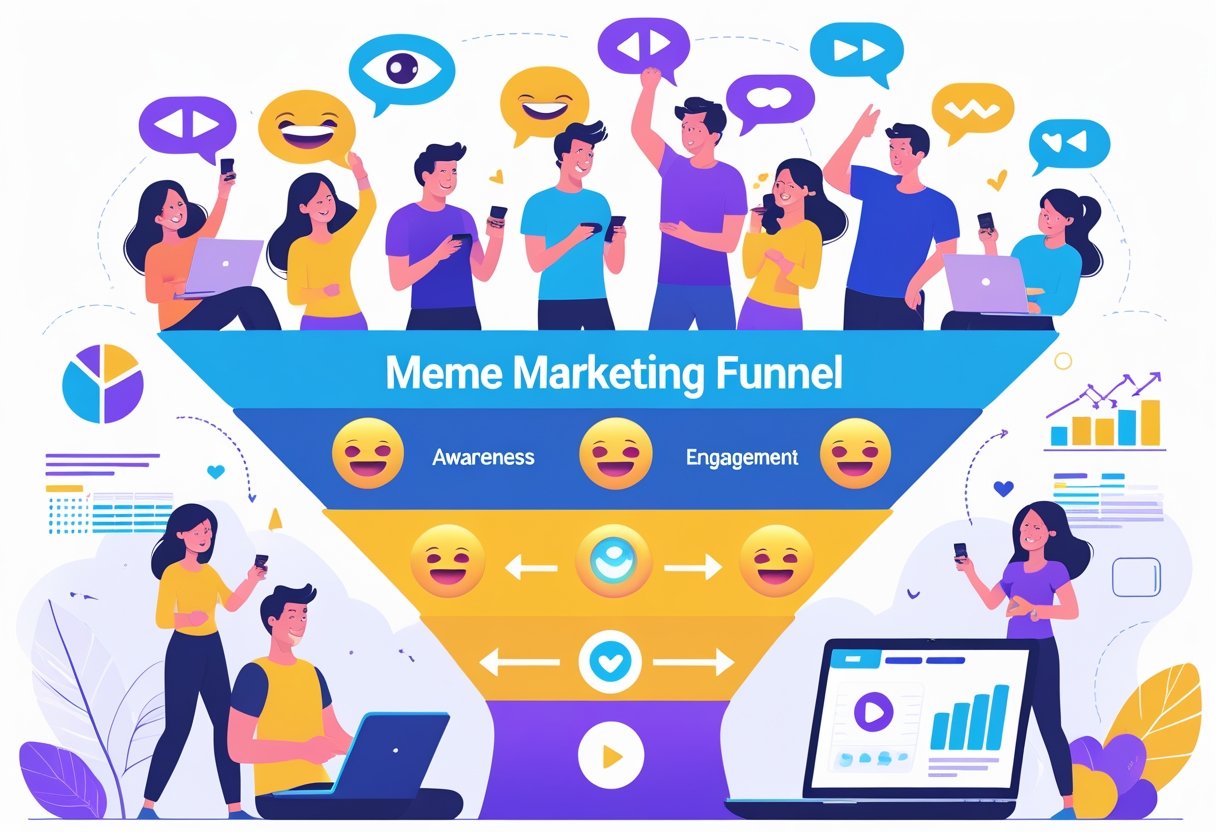
A meme marketing funnel is about using internet memes to guide people through the buying process—from first hearing about you to actually buying (and maybe even sticking around after that).
This approach blends the viral power of memes with clear marketing goals, aiming to spark engagement and ultimately drive conversions.
Definition and Core Concepts
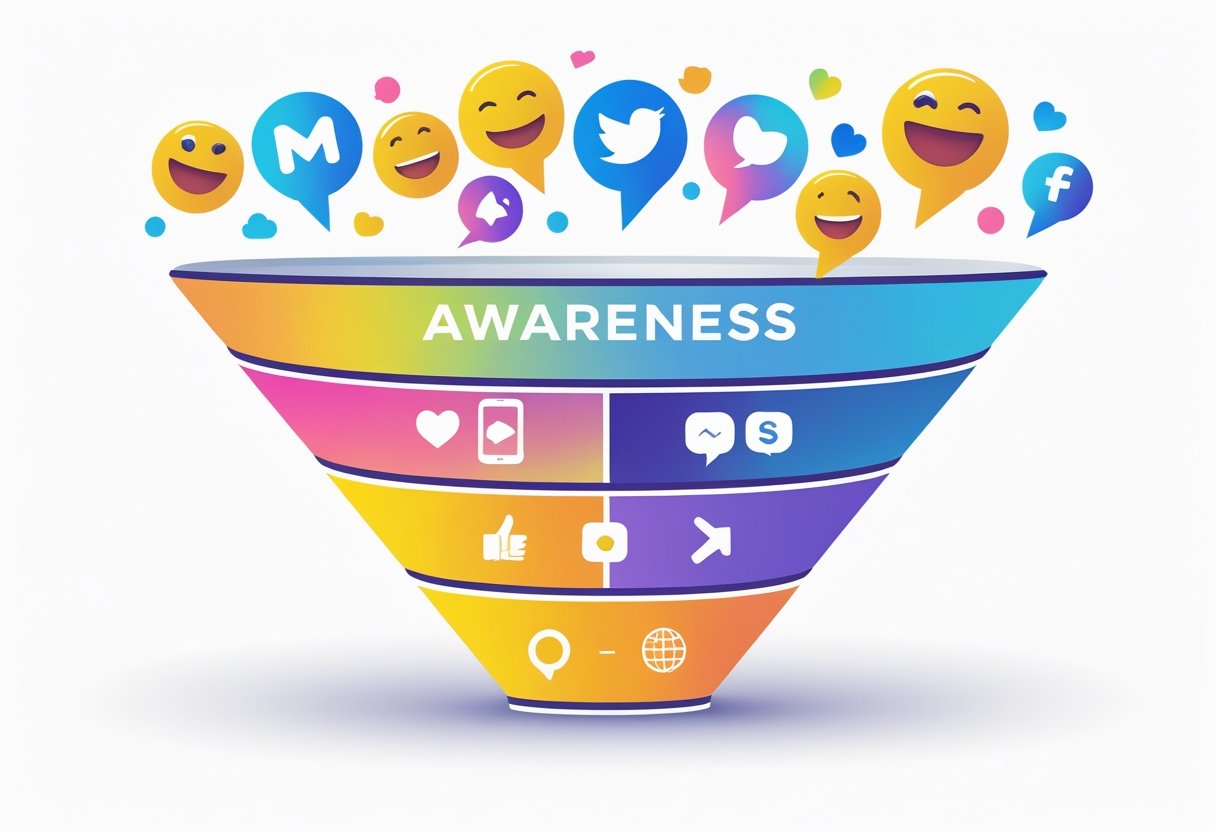
A meme marketing funnel is a strategy that uses memes at different stages of the customer journey. It’s usually split into three main levels: awareness, engagement, and conversion.
Awareness stage: Memes here introduce your brand to fresh eyes using content that’s easy to share and relate to. They travel fast on social media, reaching folks who’d never see a standard ad.
Engagement stage: At this point, memes help build a relationship with potential customers. The content taps into daily life, industry quirks, or common struggles.
Conversion stage: Here, memes might highlight product perks or create a sense of urgency. Some brands get clever, using meme formats to show customer testimonials or answer objections with a wink.
There’s also an advocacy stage where happy customers start sharing your branded memes with their own networks. That’s when things really snowball—your customers become your promoters just by sharing stuff they actually like.
Origins and Evolution
Meme marketing kicked off when brands realized memes spread way faster than their usual content. Back in the early 2010s, some companies started using popular meme formats to reach younger folks on Twitter and Facebook.
Things have come a long way since the days of just reposting memes. Now, brands create custom formats and strike a balance between jumping on trends and keeping their own unique voice.
By 2026, meme marketing is pretty much everywhere. Companies use AI tools and meme libraries to churn out content quickly and stay relevant. The funnel idea really took off when marketers saw that memes could do more than just get laughs—they could actually push people toward buying.
Benefits for Digital Marketers
Meme marketing funnels are way cheaper than most ad campaigns. A single good meme can reach millions organically, without spending a dime on promotion.
Key advantages include:
- Higher engagement rates – Memes usually get more likes, shares, and comments than regular posts
- Improved brand recall – Humor and relatability make your message stick
- Faster content production – You don’t need a whole video team or fancy graphics
- Cross-platform versatility – One meme can work on Instagram, LinkedIn, Twitter, and more
Memes help brands seem more human and in tune with culture. They break through the wall of boring promo content by actually entertaining people. Plus, marketers can test different messages fast by dropping multiple meme variations and watching what takes off.
Key Stages of the Meme Marketing Funnel
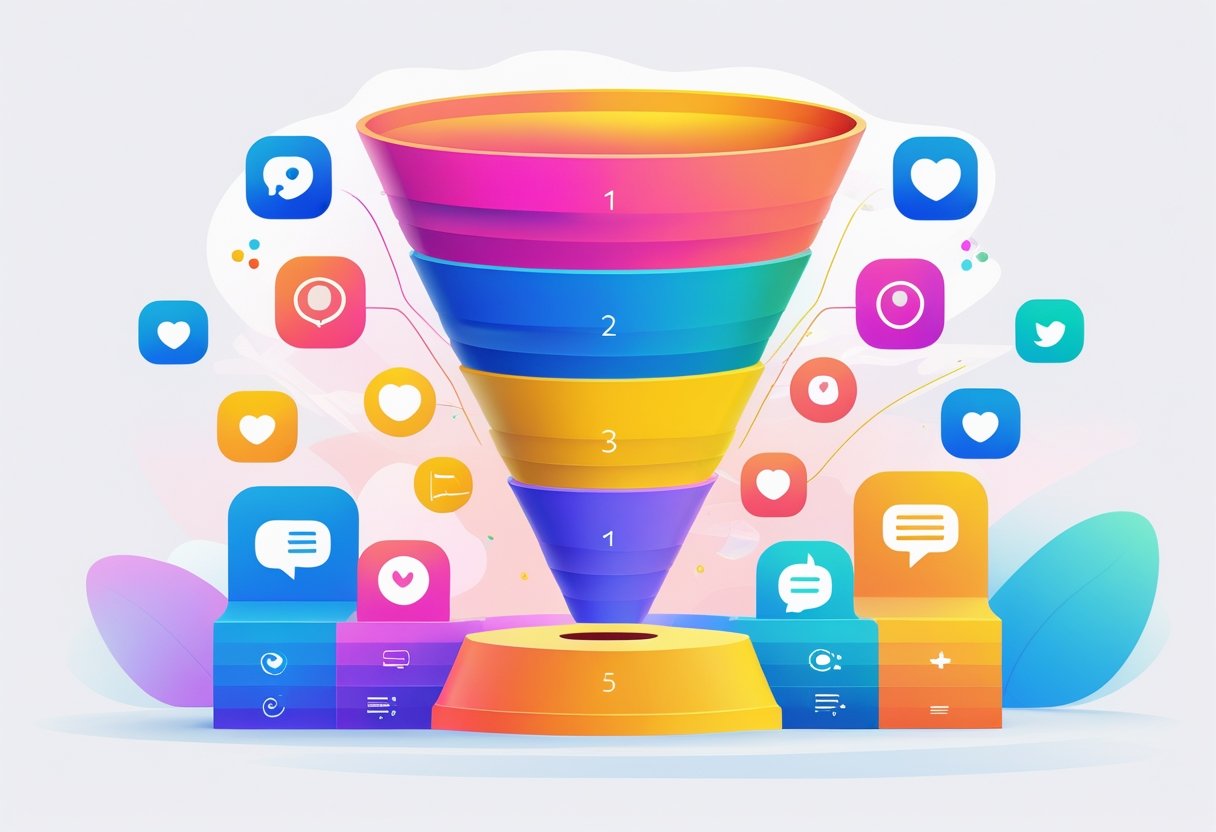
The meme marketing funnel has three main stages that help move people from just noticing you to actually buying. Each stage uses memes a bit differently to guide folks along.
Awareness Through Viral Content
Memes shine at the top of the funnel because they can go viral fast and reach a ton of people. One spot-on meme can rack up thousands of views for way less than a typical ad.
Brands should aim for memes that hit on their audience’s real-life experiences or frustrations. Forced or overly salesy memes? People can spot those a mile away.
Effective awareness memes usually:
- Use trending formats people already know
- Touch on common situations or pain points
- Keep branding subtle—nobody likes being sold to right away
- Encourage people to share or comment
The main thing here is just getting seen and recognized. Humor and relatability matter a lot more than talking about your product at this stage.
Engagement and Community Building
Once folks know who you are, memes can help build stronger connections. This is the phase where you want likes, comments, shares, and people coming back for more.
Engagement memes should get conversations going and make followers feel like they’re in on something. Responding to current events, industry news, or audience feedback with memes keeps things fresh.
Good engagement tactics:
- Making meme series that people look forward to
- Using inside jokes your loyal fans will get
- Asking questions or starting debates in meme form
- Featuring memes from your own community or audience
Your brand’s personality really comes out at this stage. Regular posting keeps people interested, and replying to comments helps build real relationships.
Conversion Optimization Using Memes
At the bottom of the funnel, memes need to nudge people to take action—but still keep things fun. These memes can reference your products or offers a bit more directly.
Conversion memes work best when they show a relatable scenario where your product is the hero. For example, a meme about the relief someone feels after fixing a problem—thanks to your solution.
Retargeting is a smart move here. Show memes to people who’ve already engaged with your brand—they get the humor and context. Pair memes with clear calls-to-action or limited-time deals to add a little urgency, but don’t overdo it.
Try different meme formats and see which ones actually drive clicks or sales. Tracking stuff like click-through rates tells you what’s really working.
Essential Elements of a Meme Marketing Funnel Template
A good meme marketing funnel needs three things working together: smart content planning, knowing your audience, and picking the right channels.
Strategic Content Planning
Planning your content is the backbone of any meme funnel. You’ll want different types of memes for each stage.
At the top, go for memes that are super shareable and focus on brand awareness. Trending formats and broad, relatable humor work best. Don’t worry about selling yet—just entertain.
In the middle, shift to memes that teach or solve problems, but still keep it light. These help build trust and show you get your audience’s struggles.
At the bottom, your memes can start mentioning your product or service—just keep it subtle and funny. Timing is important here, since you’re talking to people who already know your brand.
Having a content calendar saves a ton of stress and keeps your posting consistent.
Target Audience Identification
Knowing who you’re talking to is everything. Demographics like age, interests, and location really shape what memes will land.
Gen Z and Millennials are quick to spot new meme formats and love niche references. Older audiences might need something a bit more familiar. Figure out which platforms your people are actually using.
Think about what your audience cares about or struggles with. A software company might poke fun at tech headaches, while a fitness brand could riff on workout motivation fails.
Test your memes and watch what gets shared or commented on the most. If people are sharing, you know you’ve hit a nerve.
Distribution Channels
Not all platforms are created equal when it comes to memes. Instagram and TikTok are perfect for getting seen at the top of the funnel—their algorithms push viral content hard.
Twitter is great for quick, trend-based jokes. LinkedIn is surprisingly good for B2B memes if you keep things professional. Facebook groups are awesome for inside jokes and community vibes.
Platform Selection Guide:
- Instagram: Visual memes, carousels, Stories
- TikTok: Video memes, trending audio
- Twitter: Text-based jokes, fast reactions
- LinkedIn: Industry humor with a professional twist
- Reddit: Niche communities and deep-cut references
Paid ads can boost your meme’s reach if you want to test what works. Facebook and Instagram offer cheap impression campaigns that are perfect for memes. Retargeting can help you show conversion memes to folks who already saw your awareness stuff.
Don’t just copy-paste memes across platforms. What kills on Instagram might flop on Twitter. Adapt your memes to fit the vibe and expectations of each place.
Creating an Effective Meme Marketing Funnel Template
A solid meme marketing funnel template needs clear goals, the right meme styles, and messaging that fits each stage of the customer journey. These elements work together to guide people from first seeing your brand to actually buying.
Designing Funnel Goals
Every stage of the funnel should have its own goal, based on what your audience is ready for. At the top, it’s all about reach and impressions. Memes here should be made to go wide—think trending topics and stuff everyone gets.
In the middle, you want engagement and consideration. That means driving traffic, getting sign-ups, or building your online community. Memes should still be fun, but start to slip in some useful info about your product or service.
At the bottom, it’s time for conversion and retention. Here you want memes that answer objections, show off product benefits, or reward loyal customers. The tone gets more specific, but you still want to keep the humor that brought people in.
Key Funnel Goals by Stage:
- Awareness: Reach and impressions
- Consideration: Click-throughs and follows
- Conversion: Sales and sign-ups
- Retention: Repeat purchases and referrals
Selecting Meme Types
Some meme formats just work better at certain stages. Reaction memes and trending formats are perfect for awareness—they’re easy to get and don’t need much context.
Image macros with text overlays are great for the middle of the funnel. They let you slip in some brand messaging without losing the meme feel.
For conversions, videos and GIFs can make a stronger impact. They’re perfect for showing your product in action or sharing customer stories. Custom memes that use your own branding work best when people already know who you are.
Pick your meme templates based on where you’re posting. Instagram loves visuals, Twitter is all about text, and TikTok needs short, punchy videos that fit the latest trends.
Crafting Aligned Messaging
Messages need to shift depending on where customers are in their decision journey, but they still have to sound like your brand. At the top of the funnel, memes lean into universal humor—stuff that taps into real pain points or desires, yet skips over specific products.
As folks move to the middle of the funnel, the meme itself starts hinting at solutions. The joke isn’t just for laughs anymore—it’s about how your product or service could actually fix something for them.
This style teaches without coming off as a boring ad. It’s sneaky, but in a good way.
When you get to the bottom of the funnel, memes talk directly to people thinking about buying or sticking around. These might answer common questions, hype up customer wins, or even drop special content just for buyers.
The vibe gets more personal, a little more like a club, but still keeps things light and fun. That’s the magic of meme marketing, honestly.
It’s also key to make sure the meme’s culture lines up with your brand’s values. A financial services company can’t really joke the same way a gaming brand does, even if they use the same meme format. Context matters.
Measuring Performance and Optimization
If you want meme marketing funnels to work, you’ve got to keep tabs on them. Regular tracking and testing are non-negotiable. Teams should look at data showing how memes move people through each stage, then tweak things based on what actually works.
Key Metrics and KPIs
Engagement rate is the big one for memes. That means likes, shares, comments, saves—the whole deal, across all your platforms.
If engagement’s high, it’s a good sign you’re hitting the right notes with your audience. Click-through rate (CTR) is next. It tells you how many people actually take the next step after seeing a meme.
Marketers should watch CTR for every meme and see which formats or topics get more clicks. Conversion rate is about how many folks do what you want—maybe sign up for emails, download something, or buy.
Cost per acquisition (CPA) is just what it sounds like: how much you spend to get a new customer through memes.
Essential metrics to track:
- Reach and impressions
- Engagement rate by platform
- Click-through rate
- Conversion rate per funnel stage
- Cost per engagement
- Share velocity (how fast memes spread)
A/B Testing Strategies
A/B testing is about pitting two meme versions against each other to see which one wins. Only tweak one thing at a time—maybe the image, text placement, caption length, or even the call-to-action.
It’s worth noting that memes act differently on Instagram, Twitter, LinkedIn, and so on. Try running the same meme on each, then compare the results.
Timing can make a surprising difference. Post identical memes at different times or days and see when people actually care. Give each test at least a week or two to gather enough data to trust the results.
Continuous Improvement Methods
Regular content audits help spot which meme types and formats are actually working. Teams ought to review performance data every month and jot down any patterns they notice.
This way, it’s easier to see which meme templates, topics, or styles are really driving results. Sometimes, the things you least expect end up being the most effective.
Audience feedback gives a more direct look at what sticks. Marketers should actually read through comments and messages to get a sense of how people are reacting.
This kind of qualitative data adds some much-needed context to the numbers. After all, stats alone rarely tell the whole story.
Trend monitoring is key for keeping meme content from getting stale. Teams have to watch for new meme formats and try out fresh approaches, but that doesn’t mean ditching what already works.
Jumping on trending topics quickly—if it feels genuine—can give your reach a real boost. Of course, forced trends rarely land well, so it’s a bit of a balancing act.
Performance benchmarks aren’t set in stone. What gets results in the first month might flop six months later.
Teams should be ready to tweak their targets and strategies as new data comes in. Sticking to old methods just because they worked once is rarely a good plan.
This article is not financial, investment, legal, or tax advice. Crypto assets and prediction markets can involve substantial risk. Verify sources independently and make your own decisions.
Follow the work without joining another hype machine.
Get new dispatches, tool notes, and market research through the free MemeQuake Telegram community.