Builder Notes // MemeQuake dispatch
Why the Creator Economy Is Broken (And How Web3 Fixes It): The Case for Decentralized Content Monetization
Understanding the Creator Economy
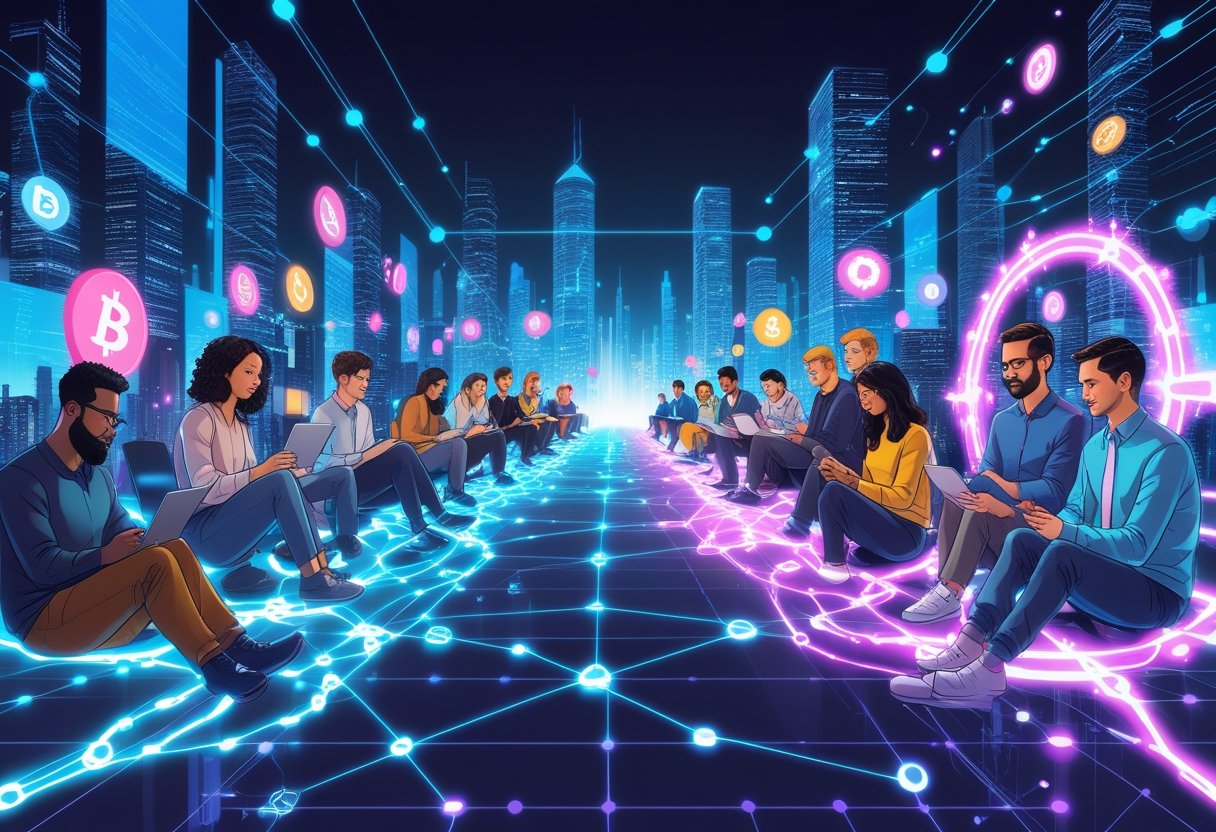 The creator economy is this sprawling digital marketplace where people build businesses around their content and communities. It’s not just a handful of YouTubers—it’s millions of creators, dozens of platform types, and a tangle of revenue streams.
Defining the Creator Economy
When people talk about the creator economy, they mean the business ecosystem built by independent content creators monetizing their skills, knowledge, and creativity online. These creators put out videos, podcasts, art, music, articles—you name it—for digital audiences. Key characteristics include:- Direct creator-to-audience relationships
- Multiple revenue streams beyond traditional employment
- Platform-dependent distribution and monetization
- Personal brand building as a core business move
Key Players and Platforms
There are all kinds of platforms in the creator economy, each with its own quirks and audience habits. Social Media Platforms:- YouTube (video content, ad revenue sharing)
- Instagram (photos, stories, Reels)
- TikTok (short-form videos)
- Twitter/X (text, community building)
- Patreon (fan subscriptions)
- Substack (newsletter subscriptions)
- OnlyFans (premium content)
- Shopify (merchandise sales)
- Gumroad (digital product sales)
- Teachable (online courses)
Current Ecosystem Dynamics
Right now, the creator economy runs on a platform-controlled model. Creators depend on third-party companies for distribution, monetization, and audience access. Revenue Models:- Advertising revenue sharing (usually 55-70% to creators)
- Direct fan subscriptions and tips
- Brand sponsorships and partnerships
- Merchandise and product sales
- Course and digital product sales
Major Problems With the Traditional Creator Economy
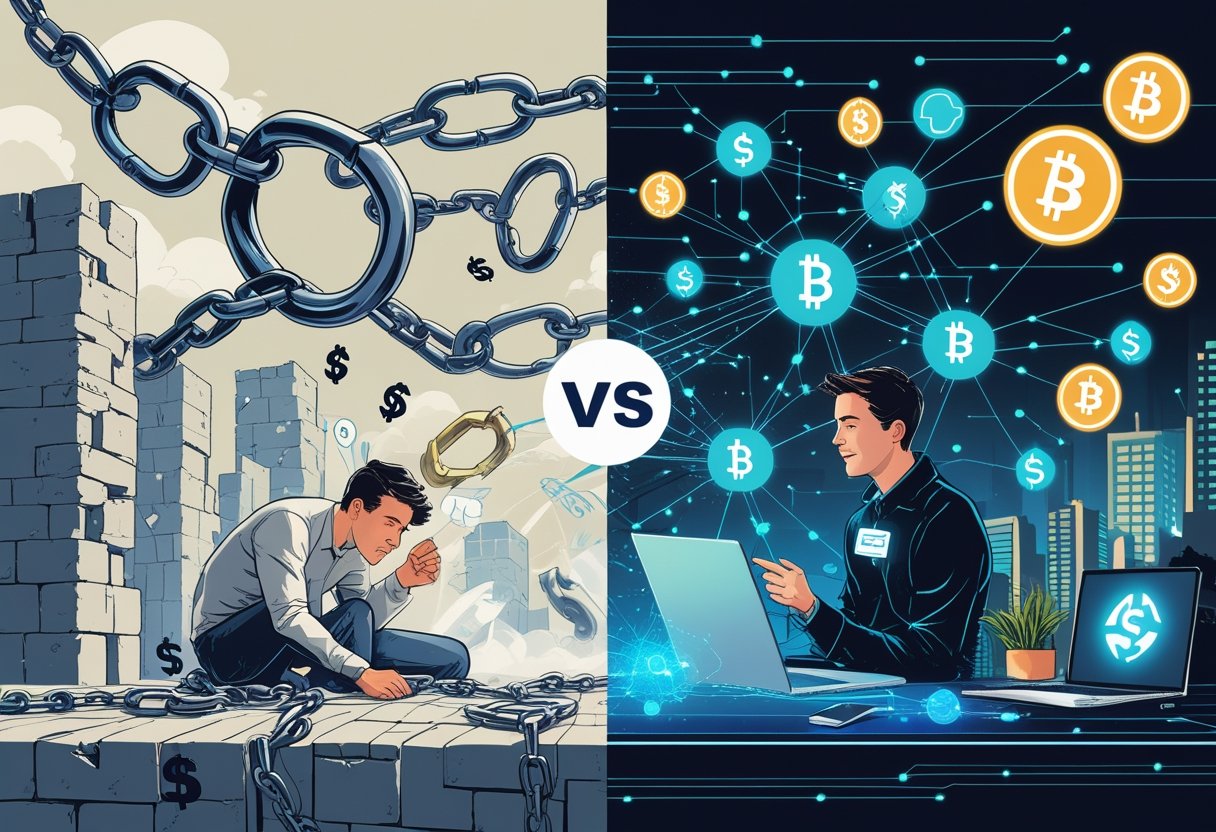 The traditional creator economy is held back by three huge flaws. These all come down to platform control, unfair income distribution, and algorithms that play favorites.
Platform Dependency and Control
Creators are in a tough spot with social platforms. YouTube, TikTok, and Instagram control everything about the creator experience. Platform ownership creates major risks:- Accounts can be suspended, wiping out entire audiences overnight
- Algorithm tweaks cut reach, often without any heads-up
- Monetization rules change, slashing income streams
- Content policies tighten, limiting creative freedom
Revenue Inequality
The income gap in the creator economy is wild. A handful of top creators earn millions, while most can’t even make minimum wage. The income gap is massive:- Top 1% of creators earn over 90% of all platform revenue
- Average creator barely scrapes $500 a month
- Only 2% of creators can quit their day jobs
Algorithmic Limitations
Algorithms decide what gets seen—and they’re not always on the creator’s side. Algorithm problems include:- Sudden changes that tank organic reach
- Bias for viral content over steady creators
- Little cross-platform discovery
- No real transparency about how things get ranked
Challenges Facing Content Creators
Content creators today hit three big roadblocks that limit their success and earning power. These issues stem from how platforms control creator earnings, ownership, and the business side of things.Monetization Barriers
Most creators just don’t make enough money. Only the top 1% see real income from places like YouTube or Instagram. Platform Revenue Splits are brutal. YouTube keeps 45% of ad revenue. Twitch takes half of subscription fees. What’s left for creators isn’t much. Minimum Payout Thresholds make cash flow a pain. YouTube won’t pay out until you hit $100. TikTok’s Creator Fund? You need 10,000 followers just to get in the door. Limited Revenue Streams mean most creators are stuck with ads. Many can’t access:- Direct fan payments
- Merchandise sales tools
- Subscription options
- Sponsorship marketplaces
Limited Ownership of Work
On most platforms, creators don’t really own their content or their audience. That’s a risky way to run a business. Content Licensing Issues mean platforms get broad rights to use, change, and distribute anything you upload. Good luck moving your videos somewhere else. Audience Access Restrictions keep creators from contacting fans directly. No email lists, no easy way to reach people off-platform. No Transferable Assets means if you have a million TikTok followers, you’re back to zero on YouTube. Your audience and content just don’t move with you. Platform Control over your profile means everything—username, followers, uploads—belongs to them, not you.Platform Policy Risks
Policy changes and account restrictions can wreck a creator’s business in a heartbeat, and there’s usually no way to appeal. Arbitrary Enforcement is a nightmare. YouTube can demonetize videos for vague reasons. Instagram might shadow-ban you, and you’ll never know why. Policy Changes happen without warning or input. TikTok has banned music overnight, making thousands of videos unusable. Twitter/X has changed verification rules on a whim. Account Suspension Risks are always looming. One copyright strike and your main income source is gone. Appeals take forever—if they work at all. Content Restrictions clamp down on creativity. Platforms ban or limit topics like:- Politics
- Health info
- Finance
- Adult content
How Web3 Technologies Reshape the Landscape
Web3 brings three big changes that could actually fix what’s broken. Blockchain networks cut out the middlemen and give creators direct control. Digital tokens open up new ways to get paid and prove ownership.Decentralization and Trustlessness
Platforms like YouTube and Instagram call the shots on content and earnings. They can change the rules or delete your account, and you’re just supposed to deal with it. With Web3, platforms run on blockchain networks instead of company servers. There’s no central boss. Creators publish content straight to decentralized networks. Key Benefits:- Direct audience connection – No platform approval needed to reach your fans
- Permanent content storage – Content can’t be wiped out by a company
- Transparent operations – Platform rules are out in the open, in code
Tokenization and NFTs
Web3 gives creators a way to turn their work into digital tokens. These tokens prove you own something and can be bought, sold, or traded—almost like physical collectibles, but digital. Non-fungible tokens (NFTs) are basically unique digital items. You can sell art, music, videos, or whatever you make as NFTs. Each NFT keeps a permanent record of who owns it. That’s a big shift from just posting your work online and hoping people don’t steal it. Common Token Types:- Content NFTs – Individual pieces like artwork or songs
- Access tokens – Give holders special privileges or content
- Creator coins – Personal currencies tied to specific creators
Smart Contracts for Automated Revenue
Smart contracts are computer programs that run on blockchain networks. They handle payments and agreements automatically, no middleman required. You can set up a smart contract to split revenue however you want. When someone buys your content, the contract instantly sends money to everyone who’s supposed to get paid—creators, collaborators, whoever. Automated Functions:- Royalty payments – Creators earn from resales forever
- Revenue splitting – Multiple people get paid from one transaction
- Milestone rewards – Payments trigger when goals are met
Empowering Creators With Direct Monetization
Web3 cuts out the platform middlemen. Fans can support creators directly, and creators keep more of what they earn. That’s not just good for the wallet—it’s better for relationships, too.Eliminating Intermediaries
Traditional platforms take big cuts. YouTube grabs 45% of your ad revenue. Twitch? They’ll take half your subscription money. Patreon charges up to 12% in fees. Web3 platforms use blockchain to skip those middlemen. Smart contracts handle payments, and creators can keep up to 95% of what fans pay. That’s a huge difference. Platform Fee Comparison:- Traditional platforms: 30-50% fees
- Web3 platforms: 2-10% fees
- Direct crypto payments: 1-3% network fees
Fan-Driven Funding Models
There are new ways for fans to support creators—way beyond just ads or subscriptions. NFTs let you sell unique digital items. Fans buy them to show support and get something special in return. With cryptocurrency tokens, creators can build their own mini-economies. Fans buy in to get perks, like early access or voting on what you make next. It’s a new kind of community. Popular Web3 Funding Methods:- NFT sales and royalties
- Creator token economies
- Decentralized crowdfunding
- Tip-based payments
Ownership and Control in Web3 Platforms
Web3 platforms give creators real ownership of their content, thanks to blockchain and smart contracts. Communities can actually help steer things, instead of one company calling all the shots.Intellectual Property Protections
Blockchain technology creates a permanent, public record of content ownership. You can mint your work as NFTs or register it on-chain, with timestamps to prove when you made it. Smart contracts can automatically protect creator rights. They set the rules—who can access your work, what they can do with it, and what happens if someone tries to rip you off. Key IP protections include:- Immutable ownership records stored on blockchain
- Automatic royalty payments for secondary sales
- Proof of creation timestamps
- Licensed usage tracking
Community Governance Mechanisms
Web3 platforms often use token-based voting for big decisions. If you hold platform tokens, you get a vote on stuff like rule changes, fees, and new features. Common governance structures include:- Decentralized Autonomous Organizations (DAOs)
- Token holder voting rights
- Proposal submission systems
- Community treasury management
Transparency and Fair Compensation
Web3 makes payment systems transparent. Creators can see exactly what they earn and when, and smart contracts split money automatically among everyone involved.Open Financial Systems
Blockchain makes payments visible to everyone. Traditional platforms hide the details and keep creators guessing. With Web3, every transaction is on a public ledger. You can see how much your content earns, and exactly what the platform takes in fees. Key benefits of open systems:- Real payment amounts are visible
- Platform fees are clearly shown
- Payment timing is predictable
- No hidden deductions or charges
Automated Royalty Distribution
Smart contracts split payments instantly among creators, collaborators, and partners. No more waiting months for your money. When someone buys your NFT or pays for content, the smart contract sends everyone their share right away. No chasing invoices, no drama. Automatic payment features:- Instant splits between team members
- No manual processing delays
- Reduced payment errors
- Lower transaction costs
Obstacles to Web3 Adoption in the Creator Economy
Web3 still has some big hurdles. Technical barriers, infrastructure issues, and knowledge gaps make the jump from old-school platforms pretty tough for most creators.Technical Complexity
Most creators aren’t tech experts. Setting up crypto wallets, keeping track of private keys, and managing seed phrases? That’s a lot to ask. Minting NFTs means learning about blockchain networks, gas fees, and smart contracts. It’s a steep learning curve compared to just uploading to YouTube or Instagram. Key technical challenges include:- Wallet setup and security management
- Understanding different blockchain networks
- Navigating decentralized exchanges
- Managing transaction fees and timing
Scalability Concerns
Current blockchains can’t handle the sheer volume of content creators pump out. Ethereum, for example, processes just 15 transactions per second. Meanwhile, millions of posts go up every hour on traditional platforms. High gas fees make small payments pointless. Earning $5 in tips but paying $20 in fees? That’s just not going to work for most people. Network limitations affect:- Content upload speeds
- Transaction processing times
- Cost per interaction
- Overall user experience
User Education Gaps
Creators don’t have enough good resources to learn Web3. Most info out there assumes you already know the basics, which just isn’t true for everyone. The learning curve is steep. You need to understand tokenomics, governance, and building communities in a decentralized world. It’s a lot more than just posting content. Critical knowledge gaps include:- Cryptocurrency fundamentals
- Blockchain security practices
- Decentralized finance basics
- Token economics principles
The Future of the Creator Economy With Web3
Web3 could bring lasting revenue models for creators and better user experiences overall. Decentralized platforms open up new ways to experiment and let communities get involved in content creation.Long-Term Sustainability
Web3 opens up multiple ways to earn—not just relying on algorithms or ads. You’ve got NFT sales, token rewards from communities, and direct subscription models powered by smart contracts. Unlike old platforms, Web3 lets creators build portable audiences. Move to a new platform? You take your fans and income with you. That’s a relief if you’ve ever worried about sudden policy changes. Tokenization is a big one for sustainability. Creators can make their own tokens for fans to buy and trade. As your popularity grows, so does the value of those tokens—giving fans a reason to stick around. Smart contracts handle payments and royalties automatically. You get paid right away when someone buys your work, and you can keep earning every time it’s resold. That’s ongoing income, not just a one-time hit.Potential for Mass Adoption
Web3 platforms are actually getting easier to use. Many now let you pay with a credit card, so you don’t have to know anything about crypto just to get started. This shift removes a lot of the friction that kept mainstream creators away. Suddenly, joining in doesn’t feel so intimidating. Interoperability is a big deal too. Creators can use several platforms at the same time, posting content across different Web3 sites and reaching bigger audiences. That kind of flexibility really appeals to people who want more control over how and where they distribute their work. Major brands are even dipping their toes into Web3 for creator partnerships. That brings a sense of legitimacy—and honestly, who doesn’t want to work with a big name? As more brands jump in, it seems likely that adoption will pick up speed. User experience is improving, making Web3 feel less like a science experiment and more like the social media folks are used to. Creators don’t need to be tech wizards to mint NFTs or set up token rewards. Simple interfaces let them focus on making stuff they care about, rather than wrestling with blockchain jargon.Opportunities for Experimentation
Web3 unlocks content formats that just aren’t possible on old-school platforms. Creators can make interactive NFTs that actually change based on what the community does. There’s also room for gamified experiences—fans can complete little quests to unlock exclusive content. It’s a whole new kind of engagement. Decentralized Autonomous Organizations (DAOs) give fans a real voice. They can vote on what gets made next or how community funds get spent. That kind of involvement goes way deeper than just hitting “like” or leaving a comment. Creators can play around with programmable royalties. They might set different rates depending on how their work is used—personal use could be cheaper than commercial, for example. Smart contracts take care of the messy details, so creators don’t have to. Cross-platform collaborations get a lot easier in Web3, too. Creators from different corners of the ecosystem can join forces without running into platform walls. They can split earnings automatically with smart contracts and make content that travels freely across the Web3 universe.Frequently Asked Questions
Understanding the shift from traditional platforms to Web3 means digging into creator challenges, new ways to make money, and, yeah, the risks. These questions get into how blockchain changes content ownership, revenue, and who really calls the shots.What challenges do creators face in the traditional economy?
Creators on traditional platforms run into some serious headaches. They don’t actually own their content or even their follower lists. Platforms can change the rules or just shut down accounts out of nowhere. That’s a lot of power in someone else’s hands. Financially, it’s rough. About 93% of creators say the system has hurt their lives, and around 65% feel overworked or underpaid—even when they’re churning out content nonstop. Revenue depends on algorithms and ad rates, which are totally out of their control. One tweak to the algorithm and, poof, your income can vanish. Platform fees can take a big bite, often 30% or more from subscriptions and tips. That leaves creators with less than they deserve for their efforts.How does Web3 empower content creators differently than current platforms?
Web3 hands creators real ownership of their content and their audience. They can actually move their work and followers between platforms if they want. No single company gets to decide what they can or can’t do. That’s a refreshing shift. Creators can sell straight to their fans—no middlemen, no extra hands in the pot. They set their prices and keep a bigger chunk of what they earn. Smart contracts make payments automatic, so creators don’t have to chase anyone down. On decentralized platforms, creators get a say in how things run. They can vote on updates or rule changes, which is way more democratic than the old way. It’s possible to build whole economies around content—tokens, memberships, exclusive access. Traditional platforms just don’t offer that kind of flexibility.In what ways can blockchain technology enhance revenue streams for creators?
With blockchain, creators can sell NFTs—unique digital items, artwork, or exclusive content. They can even earn royalties every time their work changes hands. Crypto payments happen fast, no matter where people are in the world. No more waiting for platform approval or dealing with payment delays. Fans can support their favorite creators from anywhere, which opens up a global audience. Token-based communities mean ongoing revenue. Creators can launch their own brand tokens—fans buy them for special access or to vote on creative decisions. Blockchain keeps track of ownership and usage automatically. It helps creators prove they’re the original and get paid when their stuff gets used. No need for middlemen or paperwork.What are the advantages of decentralized platforms for creative work?
Decentralized platforms can’t just be switched off by one company. They’re spread across tons of computers, which makes them more stable and resilient. There’s no central authority making all the moderation calls. Communities set their own rules through voting, so content removal feels less arbitrary. Creators keep their data and their relationships with followers. They can jump between apps without losing their audience. Lower fees mean creators keep more of their hard-earned cash. Decentralized platforms usually charge less because there’s no corporate overhead to feed.How might smart contracts transform the creator economy?
Smart contracts make splitting payments between collaborators a breeze. When creators work together, the contract just divides earnings automatically—no awkward conversations or chasing payments. Subscription services can run themselves. Fans pay monthly, and smart contracts handle access. No need for a big customer service team running in the background. Royalty payments happen right away when content is used. If someone buys a creator’s work, the original artist gets paid instantly. That’s a huge improvement over the old system, where you might wait months or longer. Contracts can get pretty creative—tiered pricing, time-limited access, bonus payments. The blockchain keeps it all running smoothly, enforcing the rules without human error.What are the potential risks for creators moving to a Web3 ecosystem?
Technical complexity creates real barriers. Managing crypto wallets and figuring out blockchain isn’t exactly plug-and-play. Some creators might find themselves stuck just trying to use these new platforms. Let’s be honest—there’s a steep learning curve. Cryptocurrency values are all over the place. You might earn tokens today and see them tank tomorrow. This means income can be way less predictable than what you’d get from more familiar payment methods. Right now, not that many people actually use Web3 platforms. If you’re hoping for a big audience, well, it might take a while. Building a following is slower when the user base is still pretty small. Scams and fraud? Unfortunately, they’re everywhere in crypto. Creators have to get good at spotting fake projects and keeping their digital assets safe. One slip in security, and you could lose your funds or content for good. It’s a lot to juggle, honestly.Research and educational information only
This article is not financial, investment, legal, or tax advice. Crypto assets and prediction markets can involve substantial risk. Verify sources independently and make your own decisions.
Join the research desk
Follow the work without joining another hype machine.
Get new dispatches, tool notes, and market research through the free MemeQuake Telegram community.