What AI Trading Is (and Isn’t)
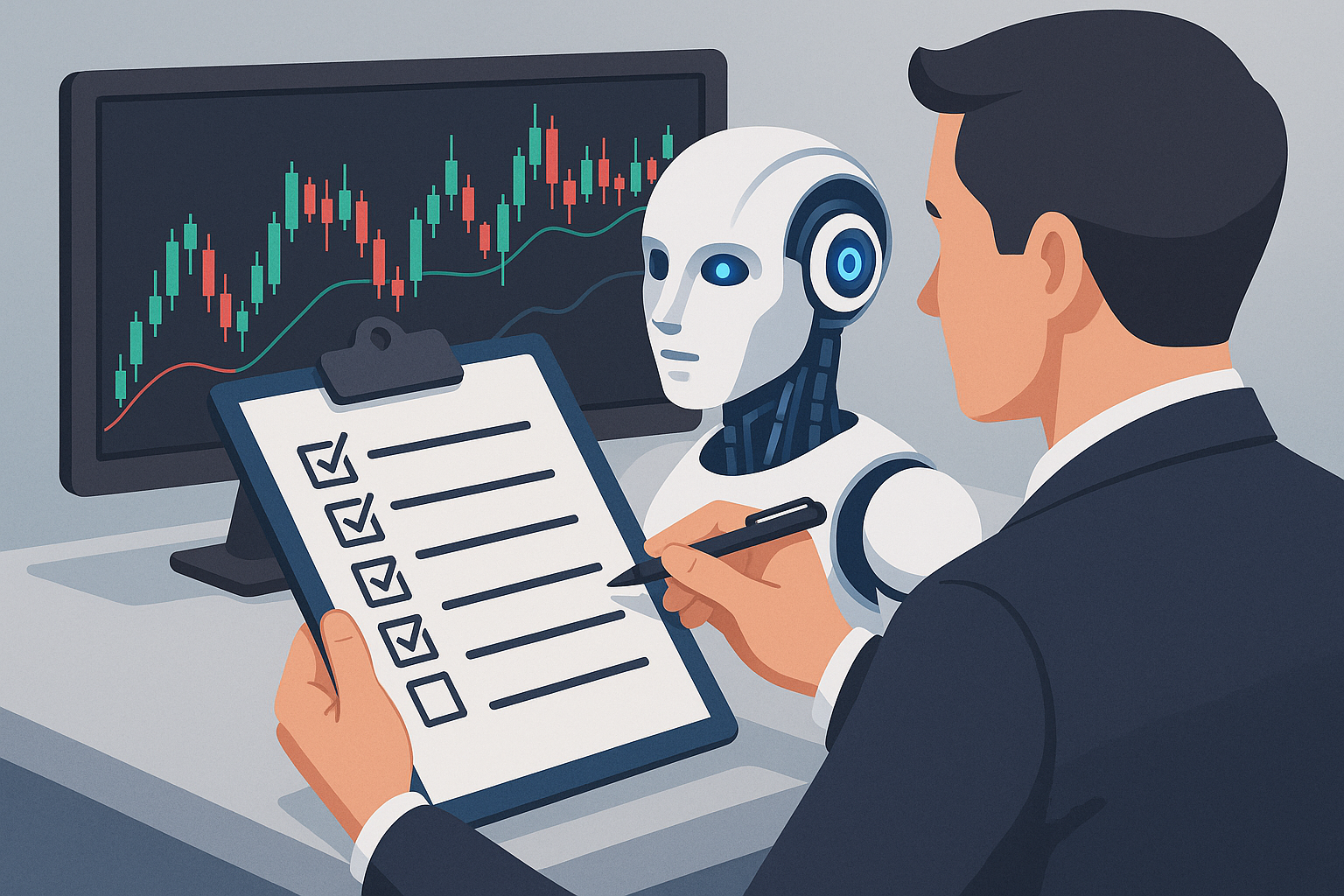
AI trading uses artificial intelligence to help traders make decisions, automate processes, or enhance how trades are executed in financial markets. It’s often part of a broader toolkit, alongside traditional algorithmic strategies, analytics, and back testing. At its core, AI trading taps into machine learning, statistical modeling, and automation. Sometimes AI systems run completely on their own; in other cases, humans review and oversee AI-generated recommendations before acting.
AI trading does not promise easy profits. Even advanced tools can misread the market, make costly errors, or fall short compared to traditional strategies during certain conditions. It’s important to know the difference between AI-driven systems—which constantly adapt and learn—and simpler, fixed-rule algorithmic trading, though there is often overlap between the two.
Why AI Trading Matters—and When It’s Useful
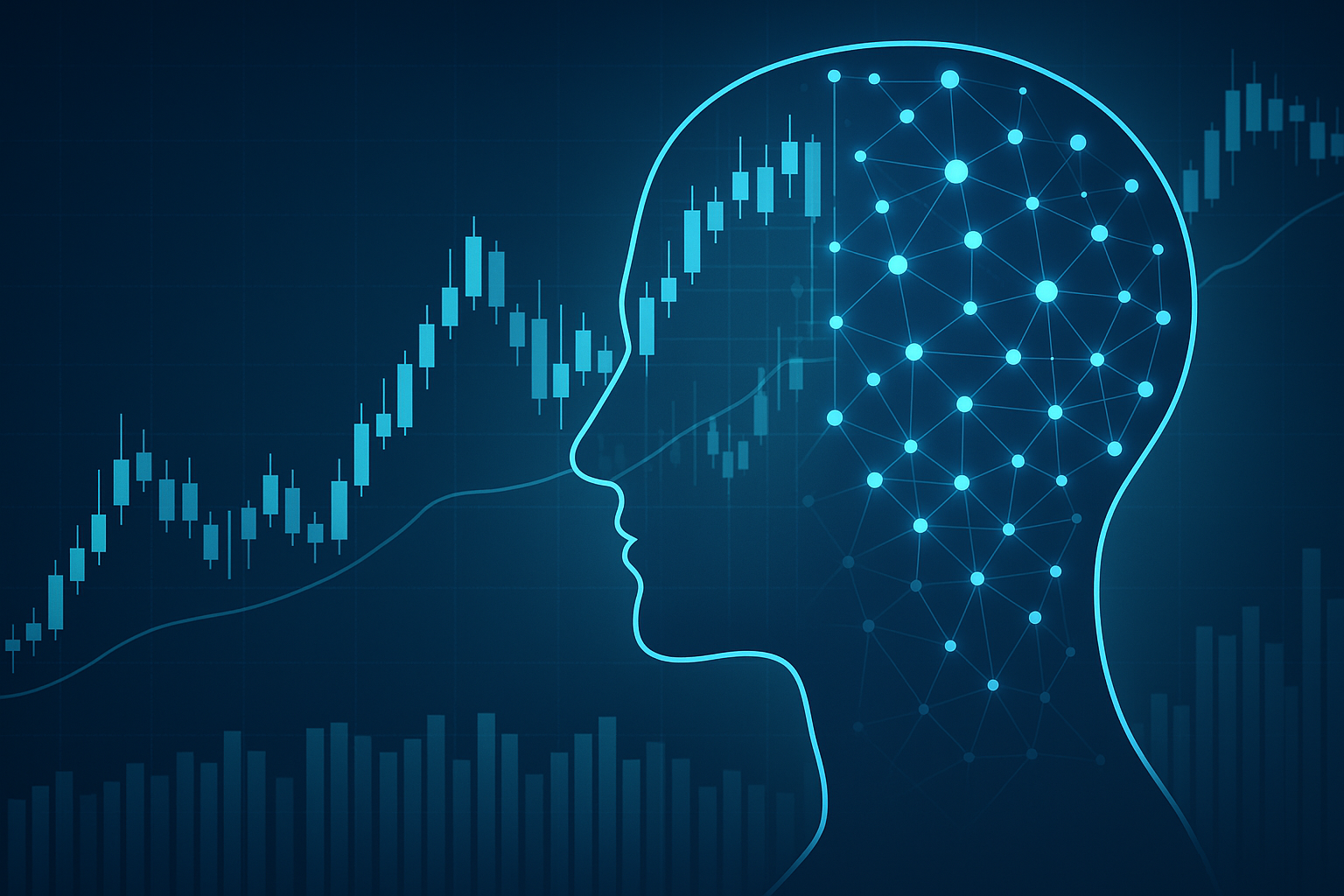
AI trading allows traders to sift through huge amounts of data in a short time, spot patterns a human might miss, and automate complex decisions. These capabilities can be particularly useful in fast-moving or data-heavy markets, and they help reduce emotional bias by enforcing consistency.
Still, AI trading isn’t always the answer. For straightforward strategies, a small amount of data, or markets where human judgment is key, traditional approaches may work just as well or better. There’s also a steep learning curve: using AI tools incorrectly can cause more harm than good, especially if you expect automation to equal guaranteed profits.
Essential AI Trading Concepts
- Algorithmic Trading: Using pre-set rules to trade based on defined market conditions. Not all algorithmic trading involves AI, but many AI systems depend on algorithmic execution for speed and consistency.
- Machine Learning Signals: AI systems study past data to identify patterns—or “signals”—that guide trades. These signals might rely on regression analysis, classification, clustering, or more advanced methods.
- Automation: Automatically generating signals, placing trades, or adjusting positions without human input. While automation can help maintain discipline, it may also amplify mistakes if not monitored.
- Backtesting: Checking how a trading strategy would have performed using historical data. Proper backtesting can reveal both strengths and weaknesses and helps avoid unrealistic expectations.
- Risk Controls: Built-in safety measures like stop-losses, allocation rules, and circuit breakers to protect against bigger-than-expected losses, especially when systems are running automatically.
Step-by-Step: How to Approach, Implement, or Evaluate AI Trading
- Define Your Goals and Constraints: What do you hope to achieve with AI trading—automation, faster insights, or new strategies? Clear goals help you choose the right solutions.
- Review Data Quality and Sources: Good AI depends on reliable data. Know where your data comes from, and beware of errors, gaps, or biases that could skew your results.
- Assess the Strategy: Understand how the AI makes decisions—whether it’s based on advanced models, simple rules, or a combination. Transparent, well-documented systems are easier to trust and troubleshoot.
- Backtest and Simulate: Test your chosen strategy on past market data. Look for consistent performance in different environments and watch for overfitting—when a model “fits” the past too well but fails in real life.
- Check Risk Controls: Review what safeguards are built in. Can the system halt trades in bad conditions? Are position sizes limited? Robust risk controls are essential.
- Monitor Execution and Costs: Consider how trades are actually executed. Slippage, delays, and hidden fees can eat into profits. Evaluate all potential costs before a live launch.
- Review Oversight Capabilities: Ensure you can step in if needed. There should be a way to pause or stop trading, and a clear process for reviewing performance.
- Iterate and Adapt: Markets evolve, and so should your models. Regularly review results and make updates as conditions change.
Common Pitfalls in AI Trading (and How to Avoid Them)
- Bad Data: Unreliable or outdated data can mislead AI systems. Always double-check your sources.
- Overfitting: Models that perform well only on historical data but fail in live trading. Use out-of-sample testing and robust validation methods.
- False Confidence: Impressive backtests don’t guarantee real-world success. Test cautiously with small amounts first.
- Poor Execution: Automation can suffer from slippage, latency, or lack of market liquidity. Regularly review actual trading outcomes alongside model predictions.
- Hidden Costs: Watch for fees from tools, platforms, data, or brokers that can reduce net returns.
- Lack of Oversight: Automated systems need active monitoring. Without it, errors can multiply quickly.
Options and Approaches: Weighing Tradeoffs
- Pre-built AI Trading Platforms: Offer easy setup, often no programming needed. Downsides: limited flexibility, reliance on “black-box” models, possible higher fees.
- Custom AI Models: Allow maximum control and transparency, but require significant expertise in coding, finance, and statistics.
- Hybrid Approaches: Combine AI-generated signals with human review. This can reduce certain risks, but slows down execution and limits scalability.
- Manual Oversight of Automated Tools: AI tools generate suggestions, but humans make the decision to execute trades. This approach adds a layer of review, but may miss opportunities that require fast action.
When deciding, be realistic about your technical skills, available resources, and how much risk you are willing to take.
Practical Checklist
- Define your goals for using AI trading (automation, new strategies, risk control, etc.)
- Check data sources for reliability and completeness
- Ensure the AI tool’s logic and process are clear
- Examine backtesting results for realism and look for signs of overfitting
- Start with a demo or small live account before scaling up
- Verify risk controls are in place (stop-losses, trade size limits, etc.)
- Research and account for all operational and trading costs
- Confirm you can stop or override automated systems if necessary
- Keep realistic expectations—profits aren’t guaranteed by AI
- Plan to monitor, review, and update your tools regularly
FAQs
- Can AI trading guarantee profits?
No, it can’t. AI tools may offer advantages, but trading always involves risk, and automation does not remove that. - What are the main risks of AI trading for retail traders?
Common risks include unreliable data, overfitting, insufficient oversight, poor execution, and hidden costs. Placing too much trust in automation can lead to trouble. - How important is backtesting?
Backtesting is vital for assessing potential strategies, but only if done rigorously and with safeguards against overfitting or other mistakes. - Do I need programming knowledge?
Custom models require programming skill. Many pre-built AI tools don’t, but a basic understanding of concepts is useful. - Is regular oversight necessary with automated AI trading?
Yes—ongoing monitoring is essential. Market conditions change, and no automated system is truly “set and forget.”
Conclusion
AI trading can provide valuable tools for analysis, automation, and discipline. But it is not a shortcut to easy success. A firm grasp of key concepts—like algorithms, machine learning, backtesting, and risk control—is essential. The main risks are real: bad data, overfitting, false confidence, and a lack of oversight can all lead to significant losses if not managed carefully.
If you’re a beginner or intermediate trader, approach AI trading with care. Focus on learning the basics, testing thoroughly, and maintaining strong risk management practices. No tool can replace clear thinking or diligent review. Set grounded expectations and be ready to adapt as both technology and markets continue to change. In trading, sound judgment and continuous learning are your best defenses.