Builder Notes // MemeQuake dispatch
Meme Coins: What They Are, How They Work, and What Buyers Should Know

What This Topic Is (and What It Isn’t)
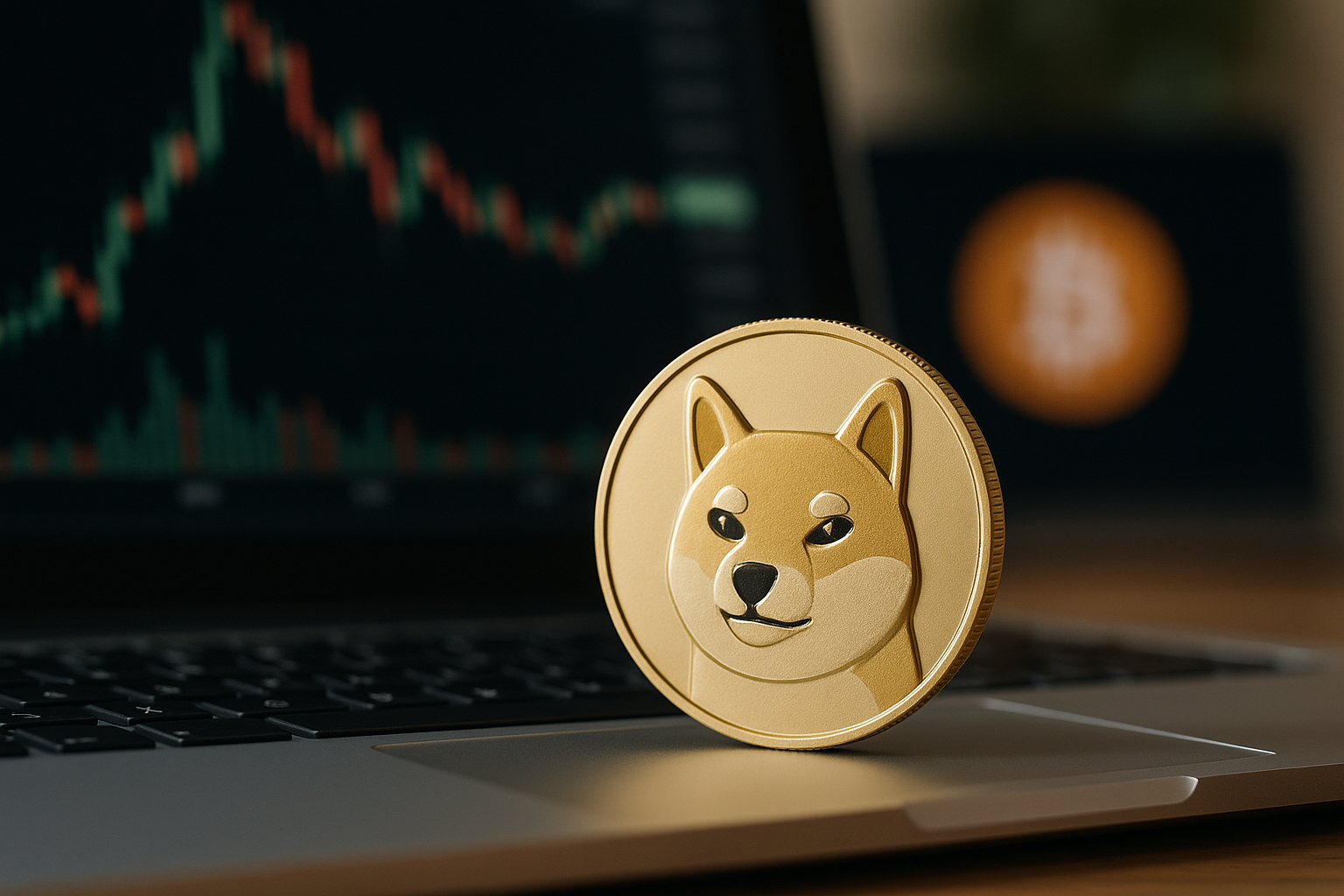
Meme coins are cryptocurrencies inspired by internet jokes, viral trends, or social themes. Their creation and popularity usually come from online communities and speculative trading, rather than from unique technology or built-in utility. Unlike foundational cryptocurrencies such as Bitcoin, meme coins often start with little to no underlying use case. It’s also helpful to know what meme coins are not. They aren’t backed by stable assets. They rarely launch with a long-term roadmap or a particular payment purpose in mind. In most cases, meme coins don’t aim to solve a real-world problem or introduce technical innovation.Why It Matters / When It’s Useful
Meme coins routinely capture attention in the crypto world, especially when stories of dramatic price moves make headlines. Retail investors and beginners may find themselves drawn in by tales of sudden wealth or the excitement of joining a strong online community built around a trending coin. Even though meme coins are largely fueled by speculation, they illustrate how online communities can shape financial markets and how quickly internet culture can impact investments. If you’re interested in crypto, learning about meme coins—and understanding their risks—can help you make more informed choices.Key Concepts Readers Must Understand
- What is a meme coin? A meme coin is a type of cryptocurrency whose popularity and value come mainly from viral internet culture and community memes—examples include Dogecoin and Shiba Inu.
- Community and Virality A meme coin’s momentum often depends on its following. Online communities, forums, and influencers can drive price swings, regardless of the coin’s fundamentals.
- Speculation Most people buy meme coins to speculate on their price—not to use them for goods, services, or any technical purpose.
- Internet-driven Price Movements Prices can surge or crash quickly, sometimes based on social media posts or viral news, even if nothing about the coin itself has changed.
- Risk Factors Key risks include high volatility, low liquidity, no underlying value, and the danger of “rug pulls”—where creators vanish with investor funds.
- Lack of Utility Most meme coins offer little real-world benefit or technical innovation. Their main appeal is often social participation and speculation.
Step-by-step: How to Approach, Implement, or Evaluate the Topic
- Research the Token’s Origin and Theme Find out how the meme coin started. Is there a clear backstory, a joke, or viral theme? Does it have a website or whitepaper, or does information mostly come from social media?
- Assess Tokenomics Look at the supply—are there billions or even trillions of tokens? Check who holds most of the tokens: if a few wallets control a large share, there is a higher risk for buyers.
- Evaluate Trading Volume and Liquidity Review recent trading volume and liquidity on exchanges. Low-liquidity coins can be difficult to buy or sell without affecting the price.
- Check Exchange Listings and Access Is the coin available on major, well-known exchanges? This can make it easier to trade and may signal a higher level of community trust.
- Analyze the Community Does the community discuss more than price movements? Active, transparent discussions—especially about the coin’s direction—tend to be a positive sign.
- Review the Roadmap and Use Case See if there is a stated plan for future development. Some meme coins remain vague or offer little detail about long-term goals.
- Understand the Speculative Nature Be ready for high risk. Meme coins often change in value rapidly and unpredictably.
Common Pitfalls and How to Avoid Them
- Volatility: Prices often shift sharply, triggered by online hype or fading interest.
- Hype Cycles: Many meme coins go through rapid booms followed by sudden drops.
- Scams and Rug Pulls: Some projects disappear along with investor funds. Look for transparency about the team and check that smart contracts are public and verified.
- Low Utility: Most meme coins have little or no practical use, which limits staying power.
- Liquidity Risk: You might find it hard to sell at the expected price if trading volume is low.
- Concentration Risk: When a handful of wallets hold most of the supply, they can move or crash the market through large trades.
- Social Media Swings: Viral news or social posts can fuel unhealthy FOMO or panic selling.
Options / Approaches (Compare Tradeoffs)
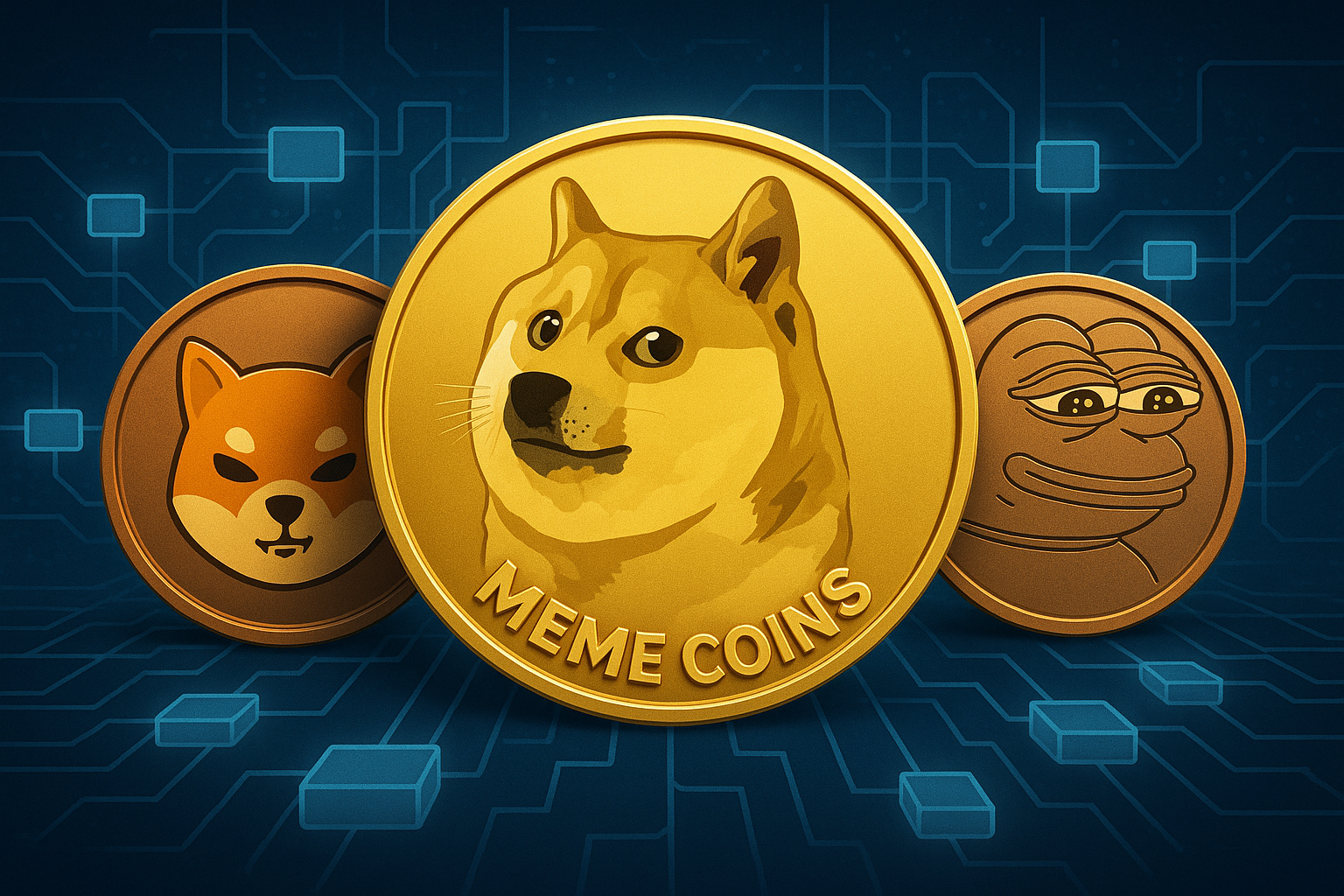
Not all meme coins are the same. Here are some distinct types and what they each offer:- Established Meme Coins: Coins like Dogecoin or Shiba Inu have long histories and sizable communities. While less likely to vanish overnight, they still experience high volatility and risk.
- Newly Launched Meme Coins: New coins can surge in value quickly, but they also face higher risks of collapse, low liquidity, and scams. Many never gain lasting traction.
- Community-driven vs. Dev-driven: Some meme coins rely on their communities to keep momentum, while others are steered mainly by their creators. Each model has its own advantages and risks.
Practical Checklist (Actionable Bullets)
- Look into the coin’s background and stated goal
- Check total supply and circulating tokens
- Review holder distribution for concentration risk
- Verify recent trading volume and liquidity
- See where the coin is listed for ease of buying and selling
- Observe the quality and tone of the community
- Confirm the official contract address and transparency
- Read the roadmap and look for realistic plans or current utility
- Stay realistic—prices are often driven by hype, not fundamentals
- Double-check all token details and data before making decisions
FAQs
- Are meme coins a good investment?
- Meme coins are highly speculative. Their prices depend mostly on internet trends and community hype, not on underlying value. Many people lose money; gains are never guaranteed.
- How are meme coins different from other cryptocurrencies?
- Most meme coins begin as jokes or viral ideas and lack a built-in use case or asset backing. Unlike coins with clear technological aims, their price is often driven by social momentum.
- What risks should I watch for?
- Be aware of extreme volatility, low liquidity, project scams, minimal utility, and market manipulation by a few large holders or influencers. Research every coin thoroughly.
- How can I tell if a meme coin is a scam?
- Warning signs include little transparency about who runs the project, incomplete or missing documentation, excessive hype, or a very small number of wallets holding most tokens. Always seek independent information.
- Can I use meme coins for anything?
- In most cases, meme coins aren’t accepted for goods or services outside their own online communities. Sometimes projects suggest future plans, but currently, most are used primarily for speculation.
Conclusion
Meme coins occupy a unique spot in the world of digital assets, shaped mainly by online groups, viral trends, and speculative behavior. For those new to crypto, they highlight both the power of the internet in finance and the risks that come with following trends. Anyone thinking about meme coins should take time to research each project, understand what drives its popularity, and acknowledge the level of risk involved. There are no guarantees of profit—due diligence and careful judgment are essential. Always confirm the most current project details and never invest more than you can afford to lose.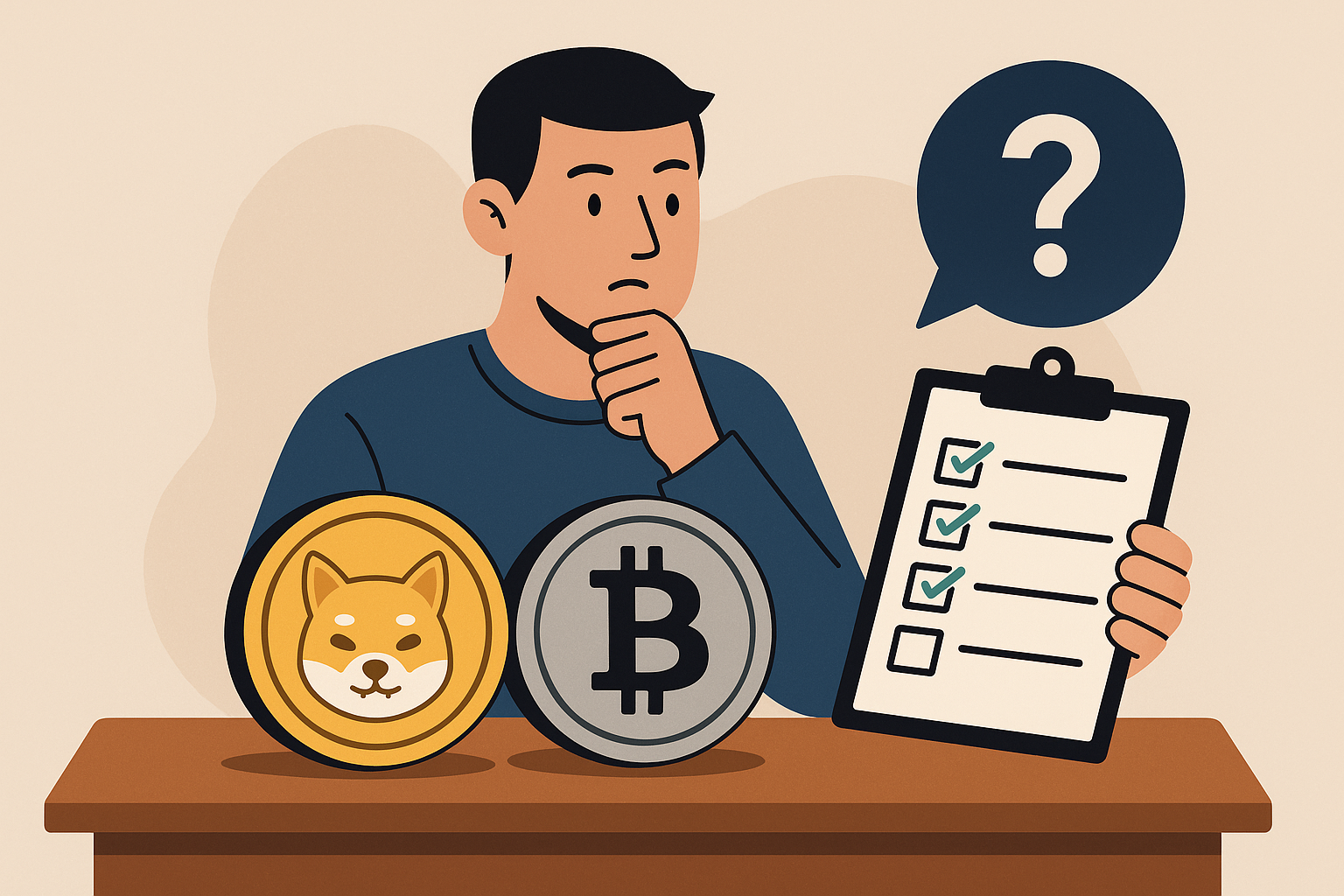
Research and educational information only
This article is not financial, investment, legal, or tax advice. Crypto assets and prediction markets can involve substantial risk. Verify sources independently and make your own decisions.
Join the research desk
Follow the work without joining another hype machine.
Get new dispatches, tool notes, and market research through the free MemeQuake Telegram community.